

 English
 عربى
عربى Español
 Français
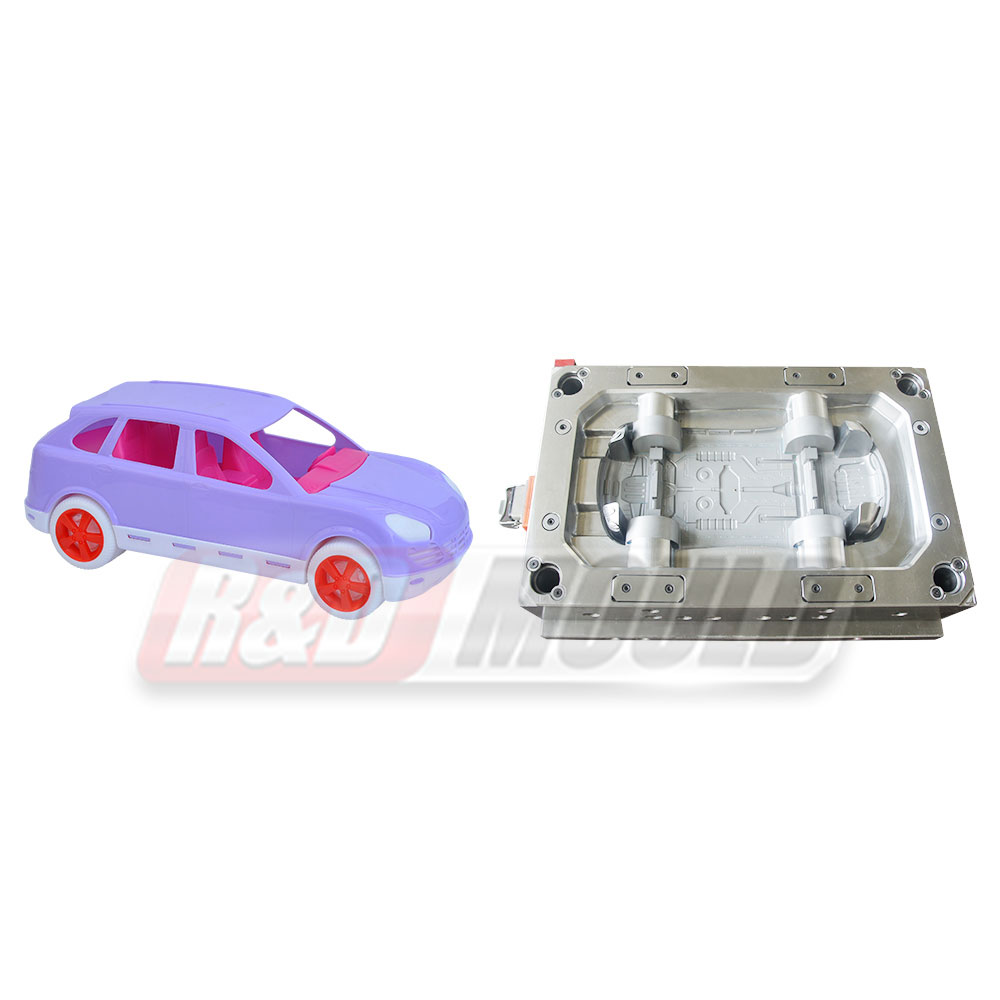
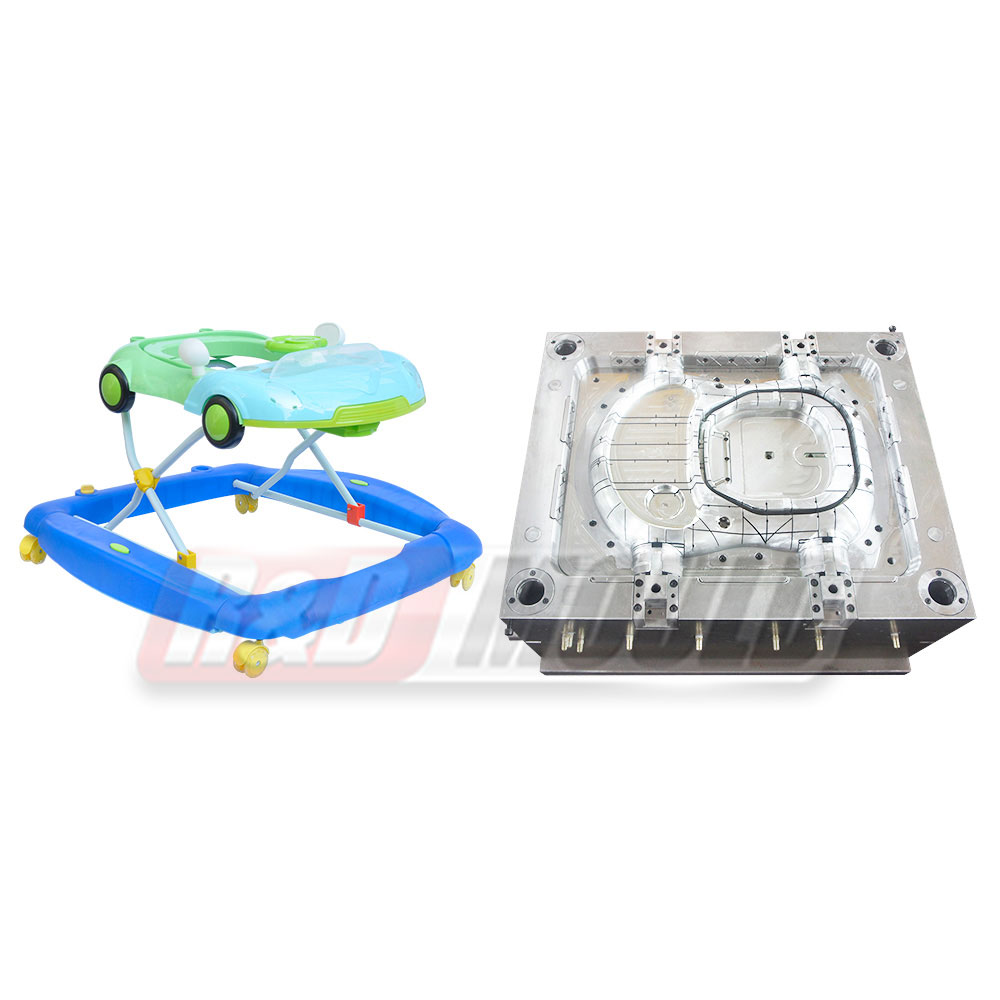
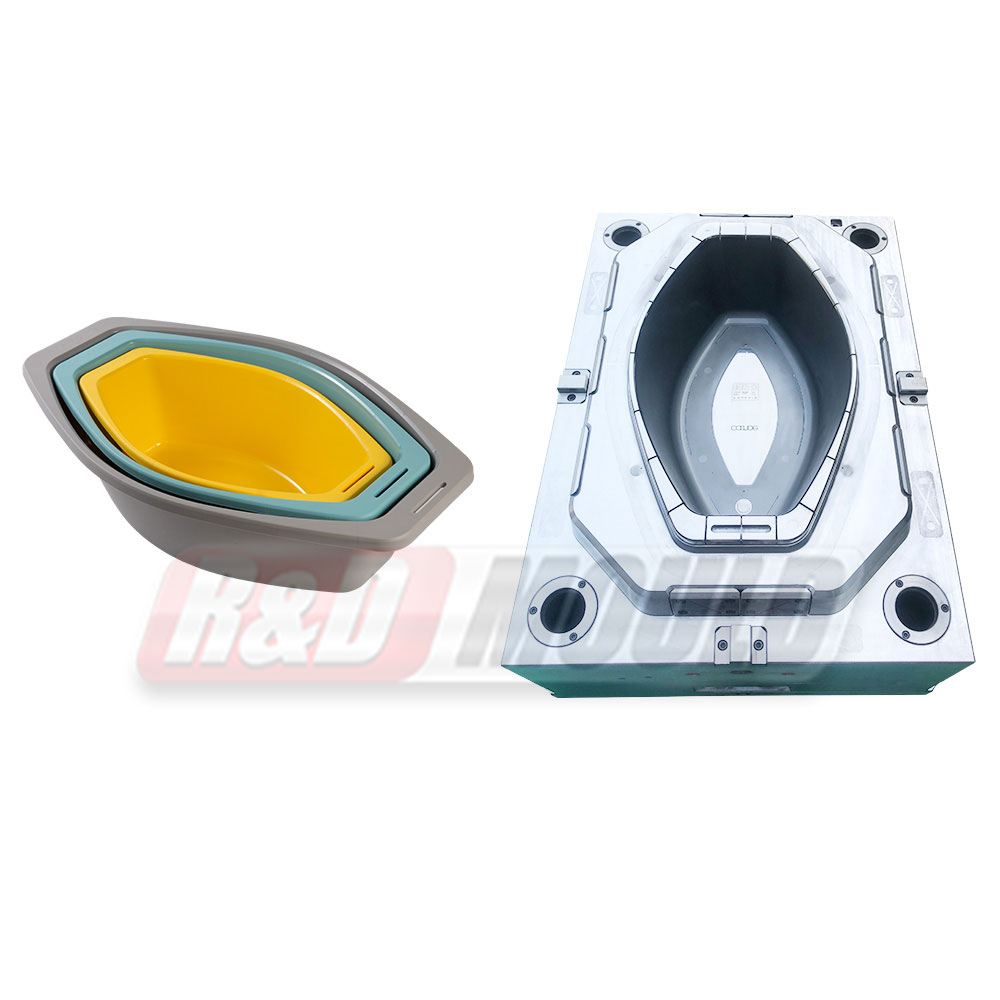
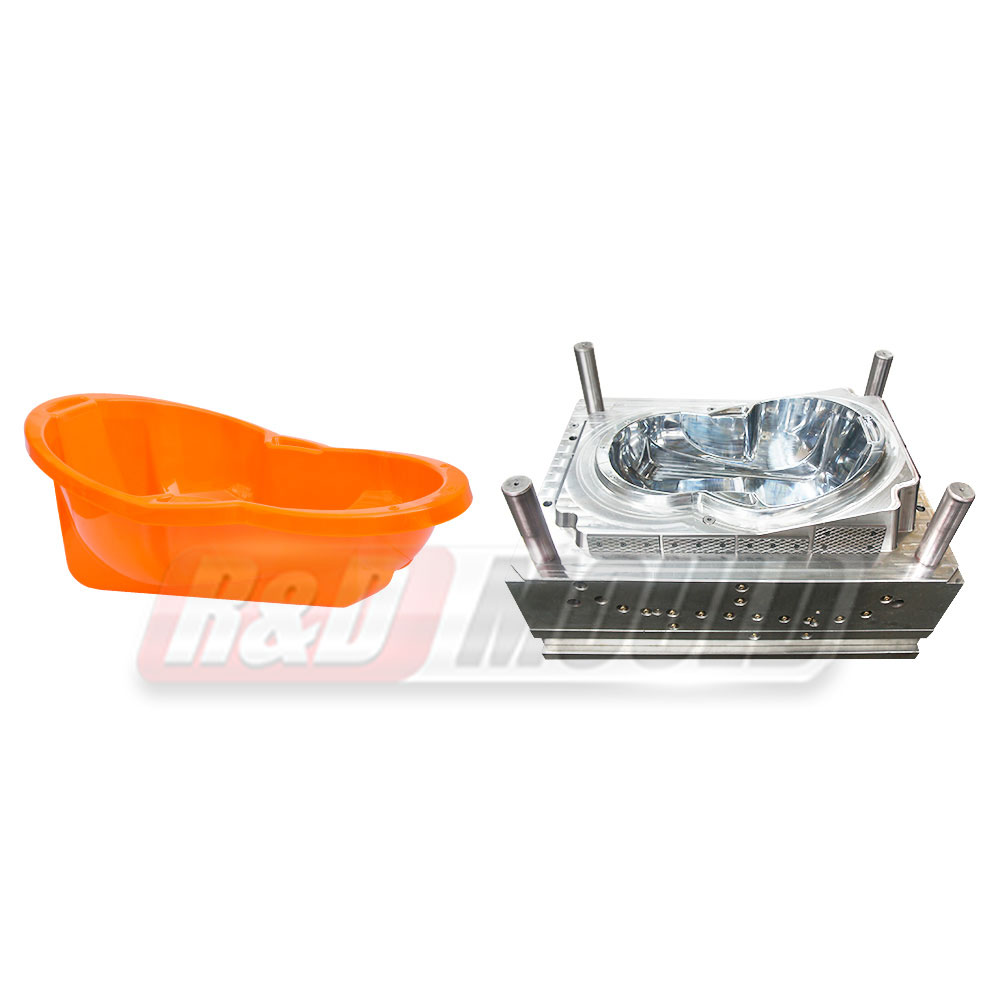
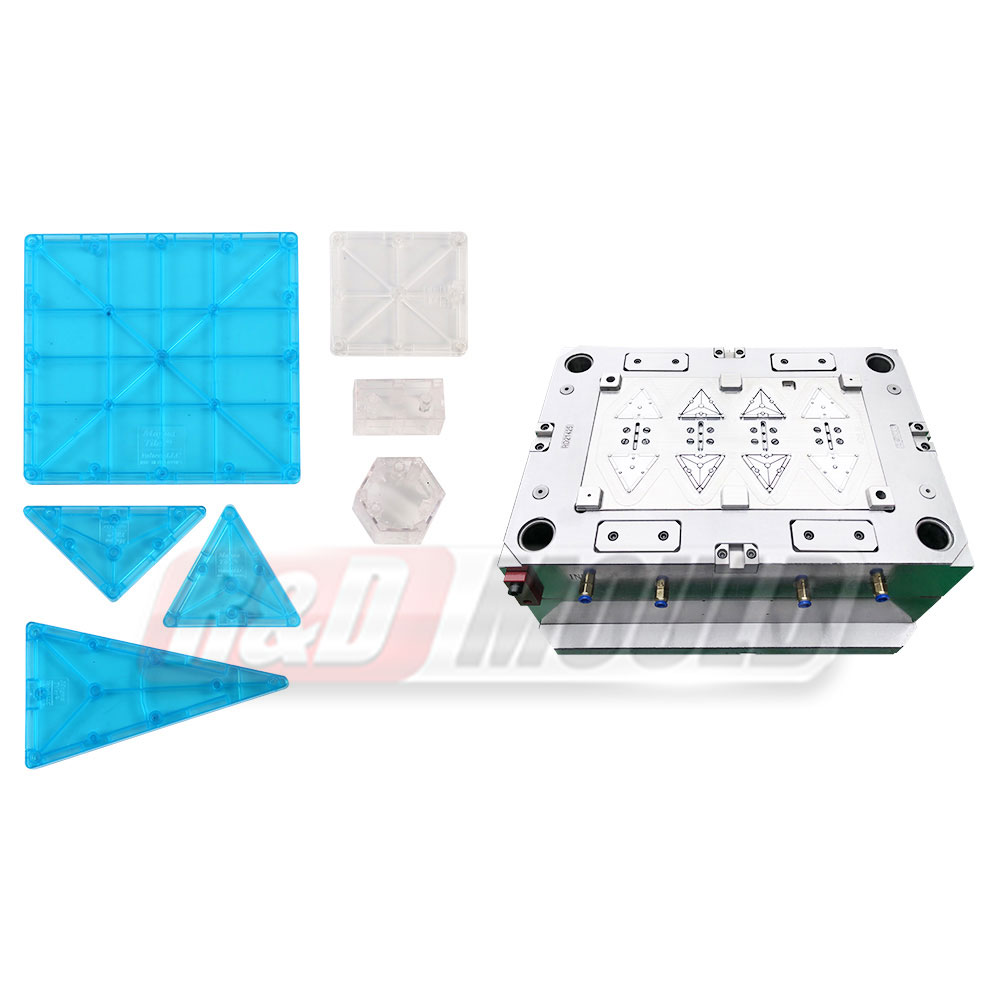
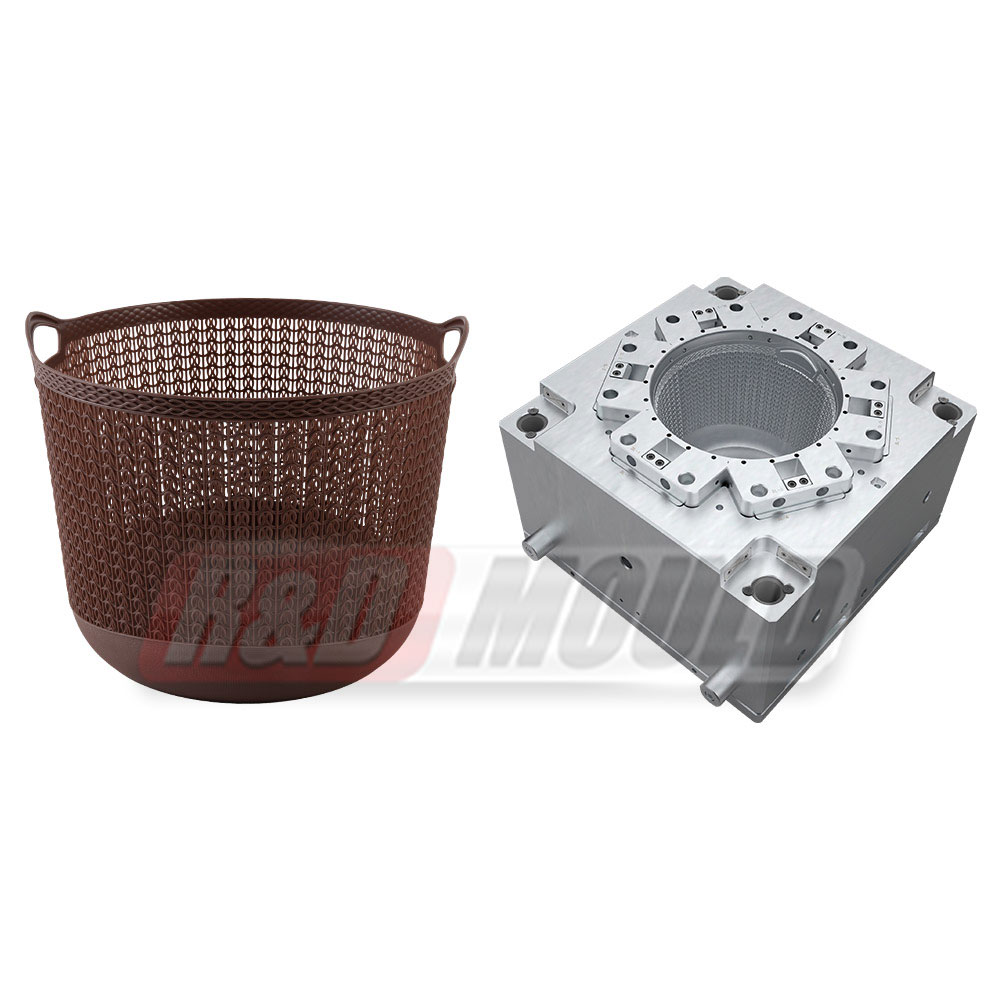
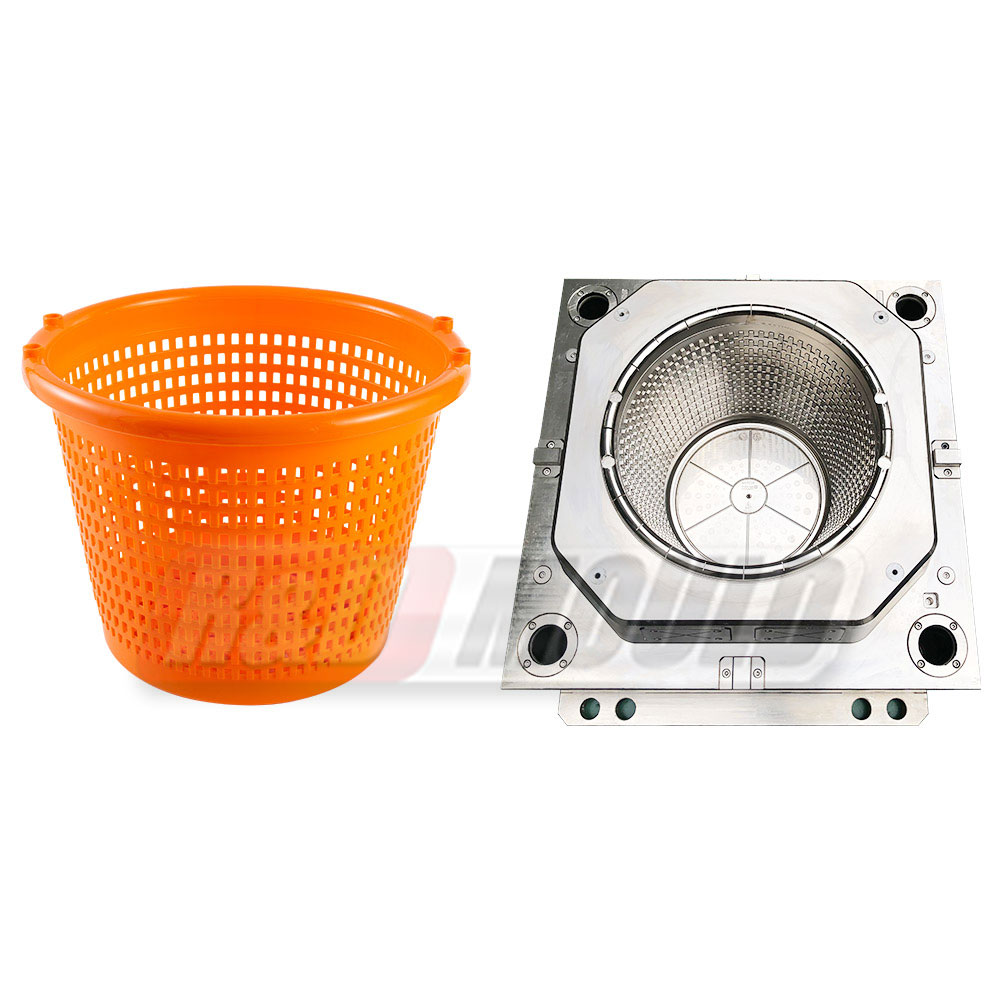
A well-made Household Mould affects much more than the shape of a plastic item. It influences production rhythm, product appearance, cavity balance, mould life, and the consistency of every production cycle. For factories producing daily-use plastic products, mould quality often becomes one of the key factors behind stable output.
Household plastic products may look simple, but the mould behind them is often highly detailed. Many daily-use items require clean surfaces, balanced wall thickness, smooth demoulding, and stable dimensions. When output volume is high, even a small mould issue can quickly turn into a repeated production problem.
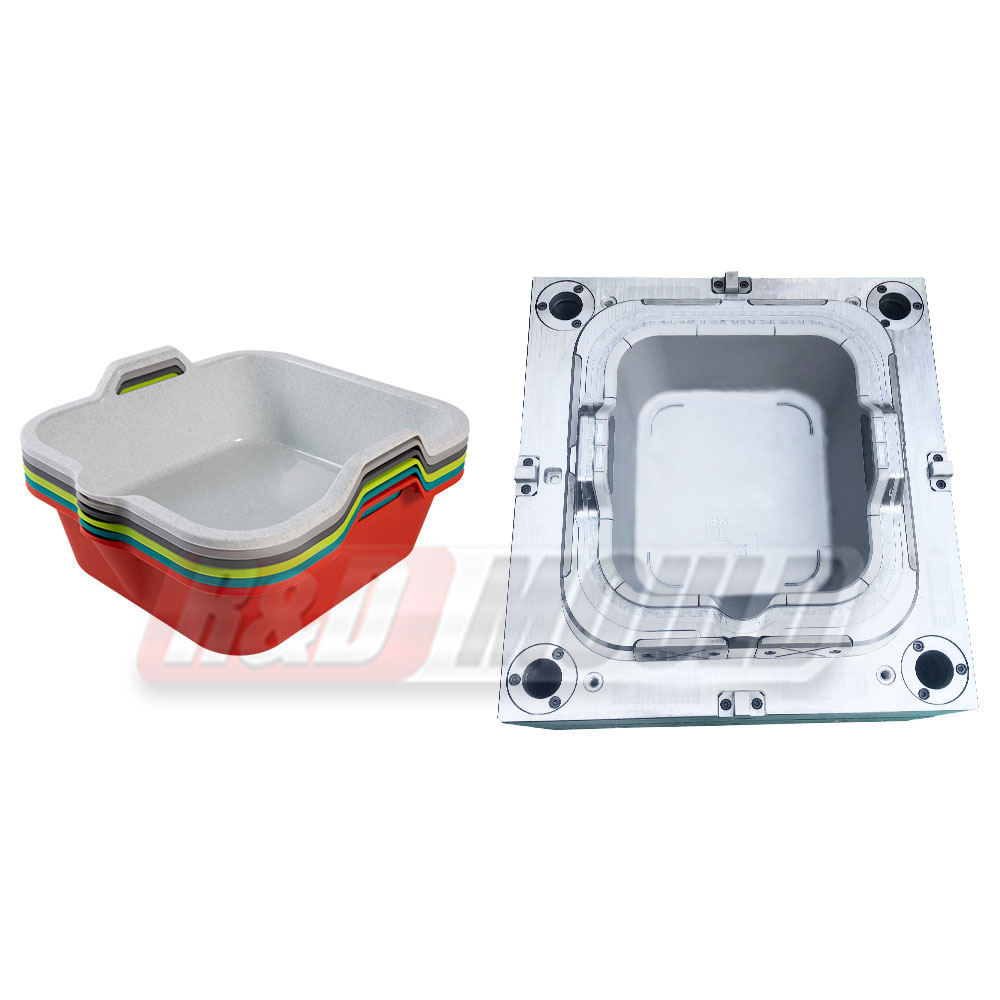
This is why mould planning matters from the beginning. A practical Household Mould Manufacturer does not only focus on whether the product can be made. The real value is whether the mould can keep running smoothly while maintaining product appearance and dimensional consistency over time.
Why Household Mould Projects Need More Careful Planning
Commodity moulds are different from many industrial moulds or automotive part moulds. One major difference is output volume. Household products are often produced in large quantities, so mould efficiency becomes a central part of the project.
Technical Discussion Is Important Before the Mould Layout Is Fixed
Good communication supports a more usable mould structure
Before starting mould manufacturing, a technical review should be carried out based on the customer's product drawings or technical sheet. This stage is important because many production details are decided here.
Mould layout
The cavity arrangement should match the product structure and expected output rhythm.
Cooling system planning
A balanced cooling layout helps the product cool more evenly and supports a more stable production cycle.
Steel and standard parts selection
Different mould components require different material choices. This is especially relevant for moving parts such as:
- sliders
- eject blocks
- angle lifts
These areas usually experience repeated movement during production, so they should be selected carefully.
For moulds with relatively large output, R&D Mould may use copper graphite guide sleeves and a stronger guidance system. This helps support long-term production and keeps the parting line more consistent over repeated cycles.
Production Stability Should Be Checked Before Delivery
Mould performance should be observed under continuous running
A mould may look fine during a short test shot, but that does not always reflect real production conditions. For this reason, production verification is an important part of mould checking.
At R&D Mould, moulds are tested with 2 hours of non-stop production based on normal production requirements. This kind of running test helps observe whether the mould performs steadily over continuous cycles.
A mould supplier with real commodity mould experience usually understands the balance between product appearance, cycle rhythm, and long-term mould running. That experience becomes especially useful in projects where output is large and consistency matters every day.
R&D Mould is a professional mould maker for commodity mould designing and manufacturing. With years of experience in household plastic mould development, the company focuses on practical mould structure, precision manufacturing, surface finishing, and stable running performance.
For daily-use plastic products, a well-planned Household Mould is not only a tool for shaping parts. It is also part of the production system behind smooth output and consistent product quality.