

 English
 عربى
عربى Español
 Français
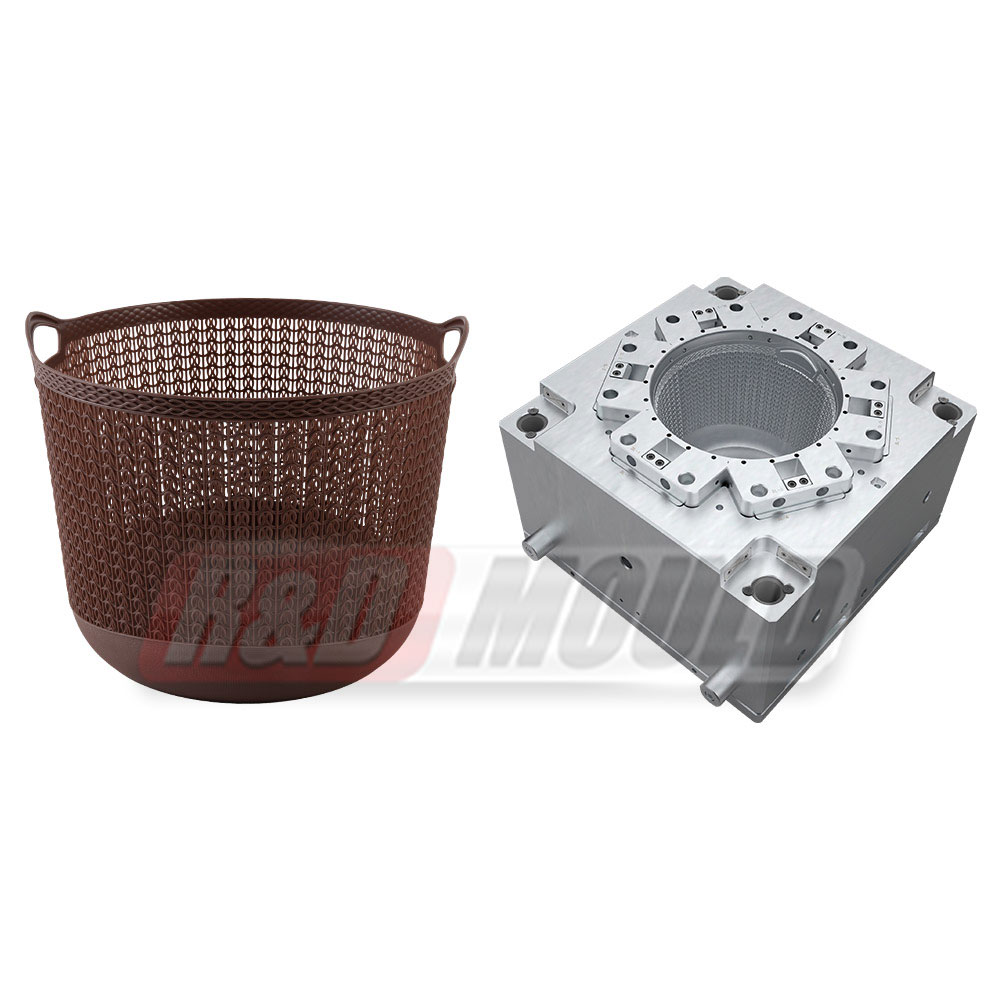
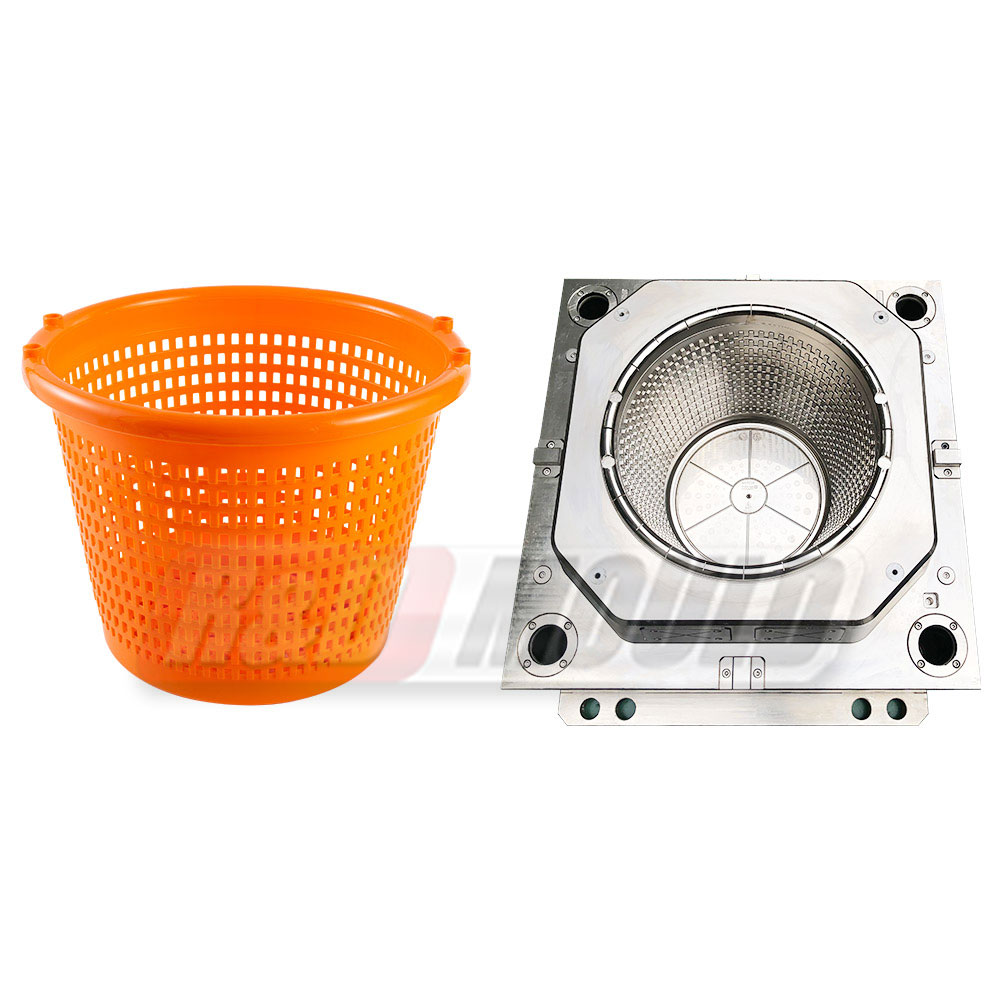
Basket Mould work often looks simple from the outside, yet the final result depends on many small choices that shape strength, appearance, and repeatable output. In a basket structure, open areas, thin walls, and curved surfaces all interact during forming. A small change in layout can affect how the material moves, how the part releases, and how the finished item keeps its shape in use.
For that reason, design decisions deserve close attention from the start. The form of the cavity, the balance of material flow, the cooling path, and the release method all affect how the part behaves after forming. When these points are aligned, the product tends to hold its shape more steadily and show fewer visible defects.
| Design area | What to watch | Why it matters |
|---|---|---|
| Hollow structure | Wall balance and open spacing | Supports shape stability |
| Cooling layout | Temperature balance across the cavity | Helps reduce warpage |
| Flow path | Even material movement | Supports consistent fill |
| Release method | Contact points during ejection | Helps avoid marks and distortion |
| Surface finish | Friction during release | Affects wear and appearance |
What Design Factors in Basket Mould Influence Hollow Structure Stability and Load Performance
The shape of the open structure affects how force spreads across the finished part. If the walls change too suddenly, weak points can appear near corners or junctions. A steadier wall pattern helps the structure feel more uniform and less prone to bending in daily use.
A few design points usually deserve close review:
- Wall transitions should stay gradual rather than abrupt.
- Open areas need enough support around edges and joining points.
- Rib placement should help the structure carry weight without crowding the surface.
- Curved sections should allow stress to move smoothly through the part.
In Basket Mould design, the goal is not only to create an open pattern but also to keep the shape dependable after repeated use. That is why many buyers care about the balance between appearance and durability. A basket that looks clean but feels weak may not meet practical expectations, while a structure that is too heavy may lose the light, open feel that users expect.
How Basket Mould Cooling and Flow Channel Layout Affect Warpage Control in Thin Wall Products
Thin wall parts are sensitive to uneven cooling. If one side cools faster than another, the shape may shift after release. That shift can appear as bending, twisting, or a surface that no longer sits flat. The risk becomes higher when the part includes both open areas and denser sections.
Cooling layout should support a stable temperature pattern across the cavity. When heat leaves the tool in a balanced way, the part is more likely to keep its intended form. Flow path layout also matters, since material that moves unevenly can create differences in density from one area to another.
The practical idea is simple: keep the movement and cooling pattern as even as possible. If one area fills faster or cools faster than the rest, shape change can follow later. For thin wall products, that change may be small at first and easier to overlook, yet it can still affect stacking, handling, and appearance.
Which Injection and Ejection Strategies Help Improve Mesh Pattern Quality in Basket Mould Production
Mesh patterns need careful handling because open sections show small flaws more clearly than solid surfaces. If the material enters the cavity in an unbalanced way, the edges of the mesh can look uneven or slightly crowded. If release forces are not spread well, the structure can bend while leaving the tool.
This is where forming and release strategy become important. The injection path should help the material reach all areas with similar pressure. At the same time, the release method should support the shape without pressing too hard on delicate sections.
A useful way to think about it is to separate the task into two parts:
- During filling, the material should move into the open pattern in a steady way.
- During release, the part should come out without unnecessary contact stress.
When these two steps are handled with care, the mesh pattern tends to look cleaner and the finished part usually needs less correction afterward. For Basket Mould work, that balance can make a clear difference in day-to-day production.
Why Material Selection and Surface Treatment Matter for Long Term Performance of Basket Mould
A tool that runs regularly will face repeated friction, heat change, and contact pressure. Over time, those conditions can affect surface condition, release behavior, and shape consistency. That is why material choice and surface treatment should be treated as part of the full design plan, not as a separate afterthought.
A harder working surface can help the cavity hold its condition for longer use. A smoother surface may also support cleaner release, though the finish still needs to match the product surface and the intended texture. If the surface is too rough, release may become less steady. If it is too smooth in the wrong places, the part may not behave as expected during ejection.
Basket Mould performance often depends on how well the tool resists wear while still keeping stable release behavior. In practice, that means choosing a material and surface condition that fit the product shape, the forming cycle, and the expected use pattern. When those elements work together, the tool is more likely to stay consistent over time.