

 English
 عربى
عربى Español
 Français
Every plastic food container out there, whether it's a basic takeout box or a stackable storage tub, started off as nothing more than an idea and a block of metal somewhere. The mould is what bridges that gap.
What A Food Container Mould Actually Is
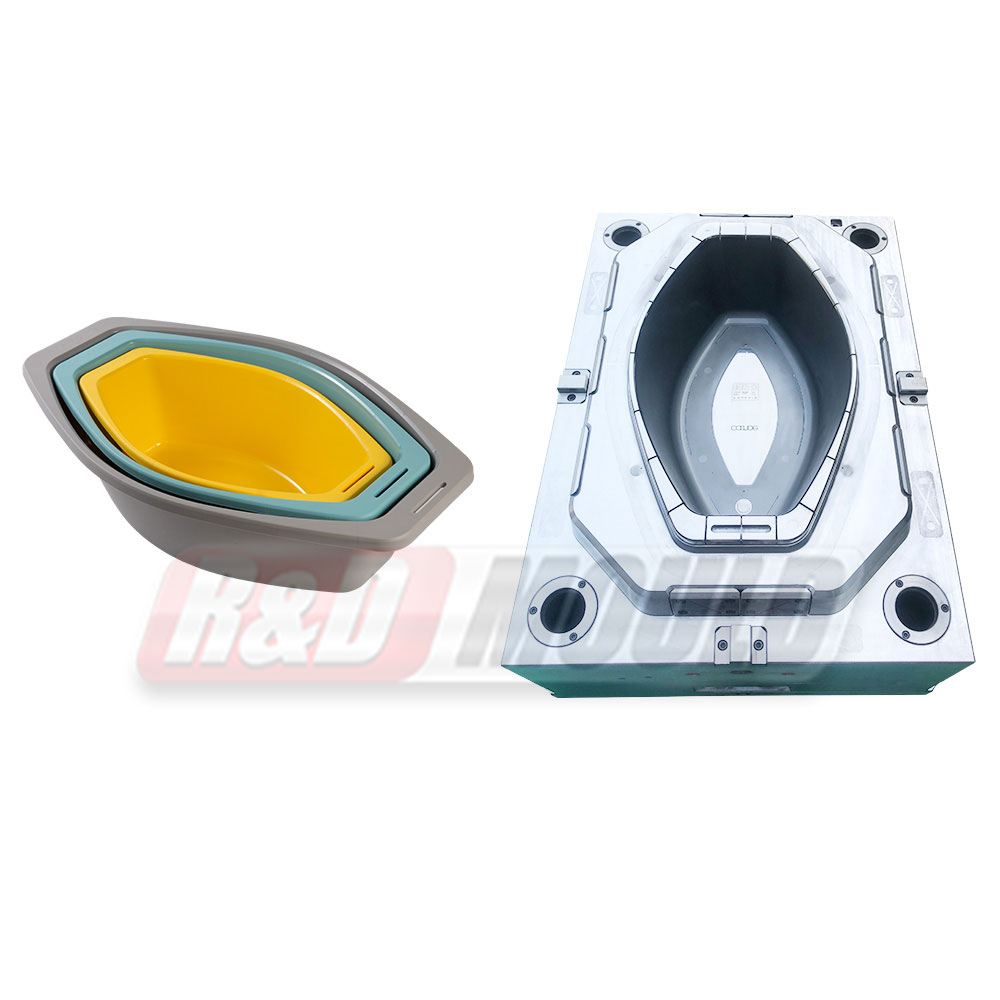
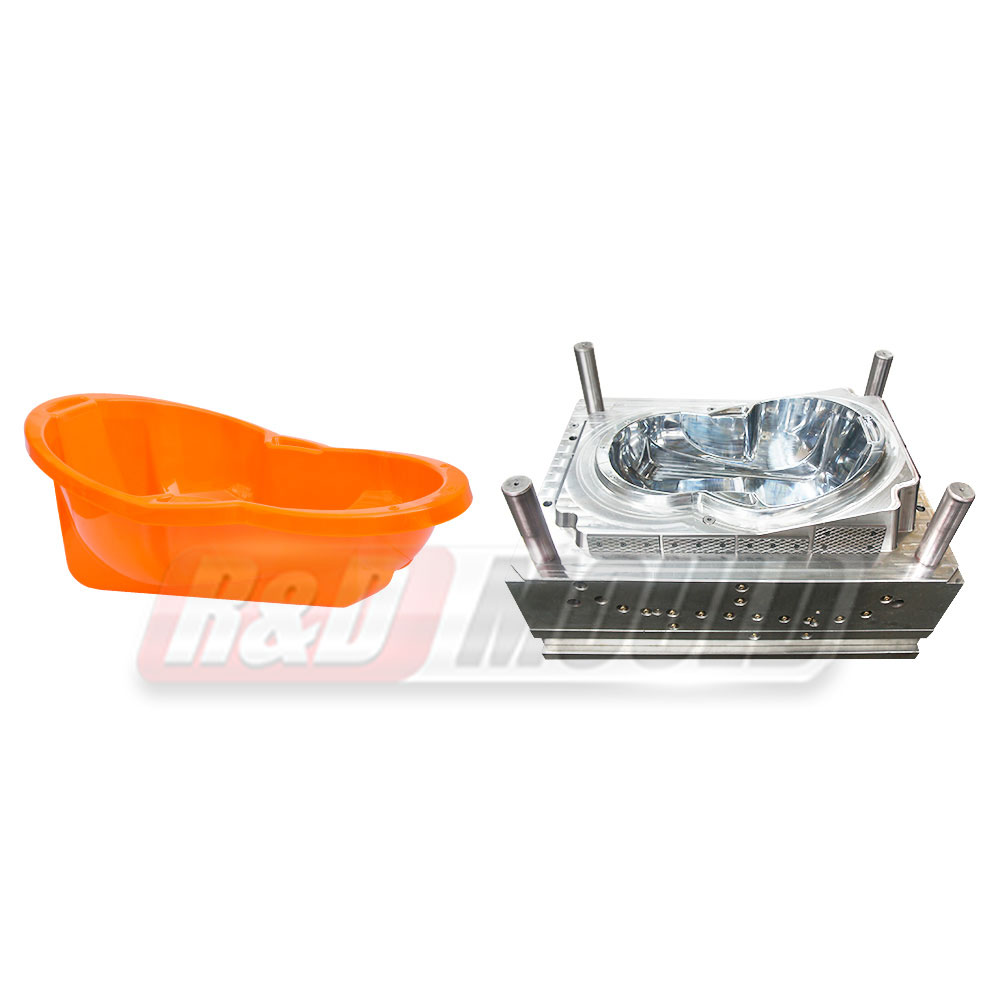
At its simplest, a food container mould is a machined tool, usually steel or aluminum, cut and shaped to match the exact form of a container once molten plastic gets pushed into it. It's a bit like a cake pan in concept. Except here, batter is replaced with heated plastic, and the oven is replaced with an injection moulding machine.
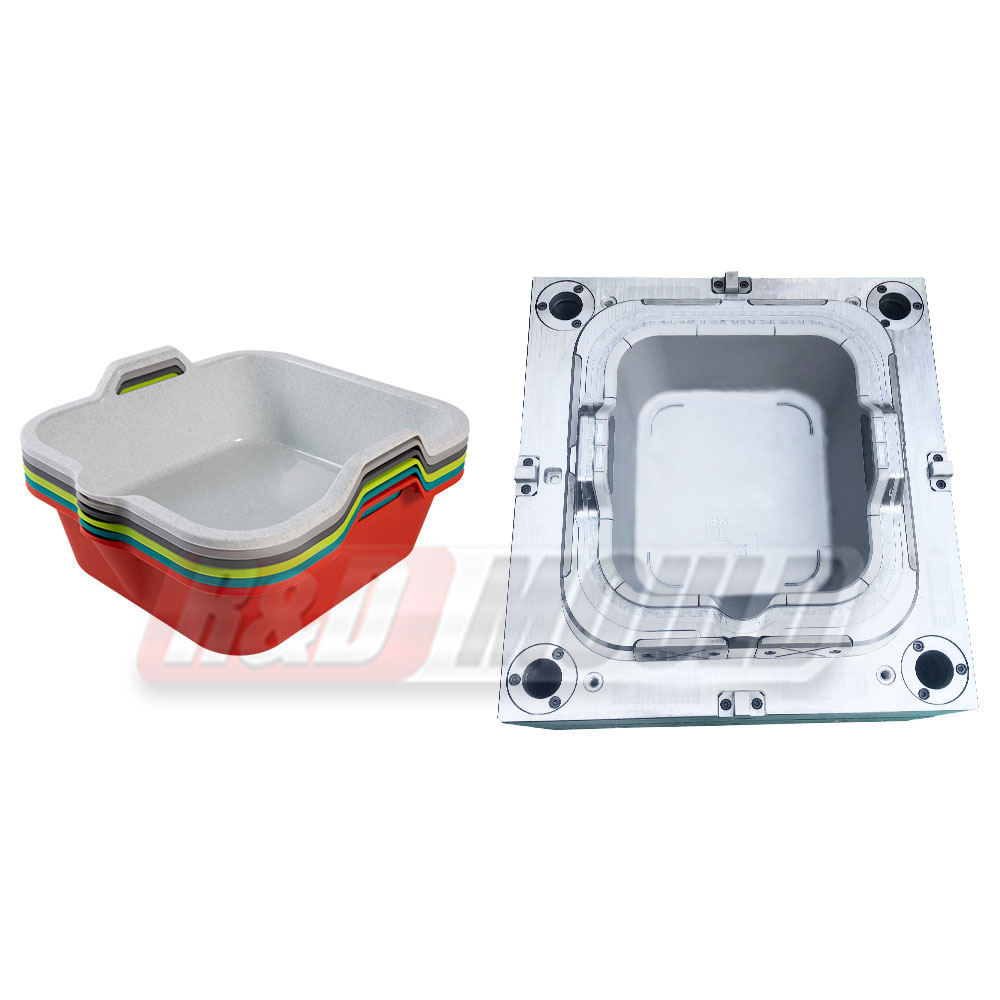
The mould comes in two halves. One half shapes the outside of the container, the other shapes the inner cavity. Once those two halves close together, they form a hollow space matching the container's shape. Plastic flows into that space, cools, and holds the form once it hardens.
The Parts That Make The Whole Thing Work
It's easy to picture a mould as just a solid block with a container-shaped hole in it, but there's actually a fair bit going on inside.
| Component | What It Does |
|---|---|
| Cavity and core | Shape the container, both inside and out |
| Runner system | Guides molten plastic from the injection point toward the cavity |
| Gate | Where plastic actually enters the cavity |
| Cooling channels | Circulate coolant to bring the part down to temperature |
| Ejector system | Pushes the finished part out once it's firm enough |
These pieces don't work in isolation. Get the cooling channels in an awkward spot, and the part might warp. Put the gate somewhere that doesn't suit the shape, and filling the cavity evenly gets trickier. Everything here is connected in some way.
How The Process Actually Plays Out
First, The Mould Gets Clamped Shut
Nothing happens until the two halves close together under pressure. That seal has to hold, since molten plastic is about to be forced in under pressure of its own, and any gap becomes a spot where material leaks out where it shouldn't.
Then, Molten Plastic Gets Injected
Plastic pellets go into a heated barrel and melt down into something closer to a thick liquid. A screw inside pushes that melted plastic through the runner system, through the gate, and into the cavity. This part has to happen fast, otherwise the plastic starts cooling and setting before it's finished filling the shape.
Cooling Comes Next
Once the cavity's full, the plastic needs a stretch of time to cool and settle into its shape. This is where the cooling channels do their work, circulating water or another coolant to pull heat out steadily. If cooling happens too fast, too slow, or unevenly across different areas, that's usually where warping or sink marks start showing up later.
Finally, The Part Gets Ejected
Once the plastic has firmed up enough, the mould opens and the ejector system pushes the container out. From there it might head to trimming, printing, or a quality check before it's ready for packaging.
Why Food Containers Come With A Few Extra Considerations
Not every mould faces the same set of demands, and food containers bring a handful of things worth paying closer attention to.
Material compatibility matters more here, since whatever resin gets used needs to be suitable for contact with food. Surface finish tends to matter too, since the inside of a container is often expected to be smooth enough to clean easily without residue catching in the texture. Wall thickness consistency plays into how well a lid seals or how neatly containers stack on top of each other. And venting placement needs some thought, since trapped air during filling can leave small blemishes or weak spots, which becomes more noticeable on something meant to hold liquid or go through repeated washing.
None of this is out of the ordinary, but it does mean food container mould design usually involves a bit more conversation between the design side and the production side than a simpler decorative part might need.
Single-Cavity Versus Multi-Cavity Setups
Something that catches people off guard sometimes: not every mould makes just one part per cycle.
A single-cavity mould does exactly what it sounds like, producing one container each time it runs through a cycle. A multi-cavity mould has several identical cavities built into the same tool, so several containers come out at once. Multi-cavity setups tend to show up with smaller containers where higher volume makes sense, while bigger or more complex containers often stay single-cavity, mostly because squeezing multiple large cavities into one tool gets impractical fast.
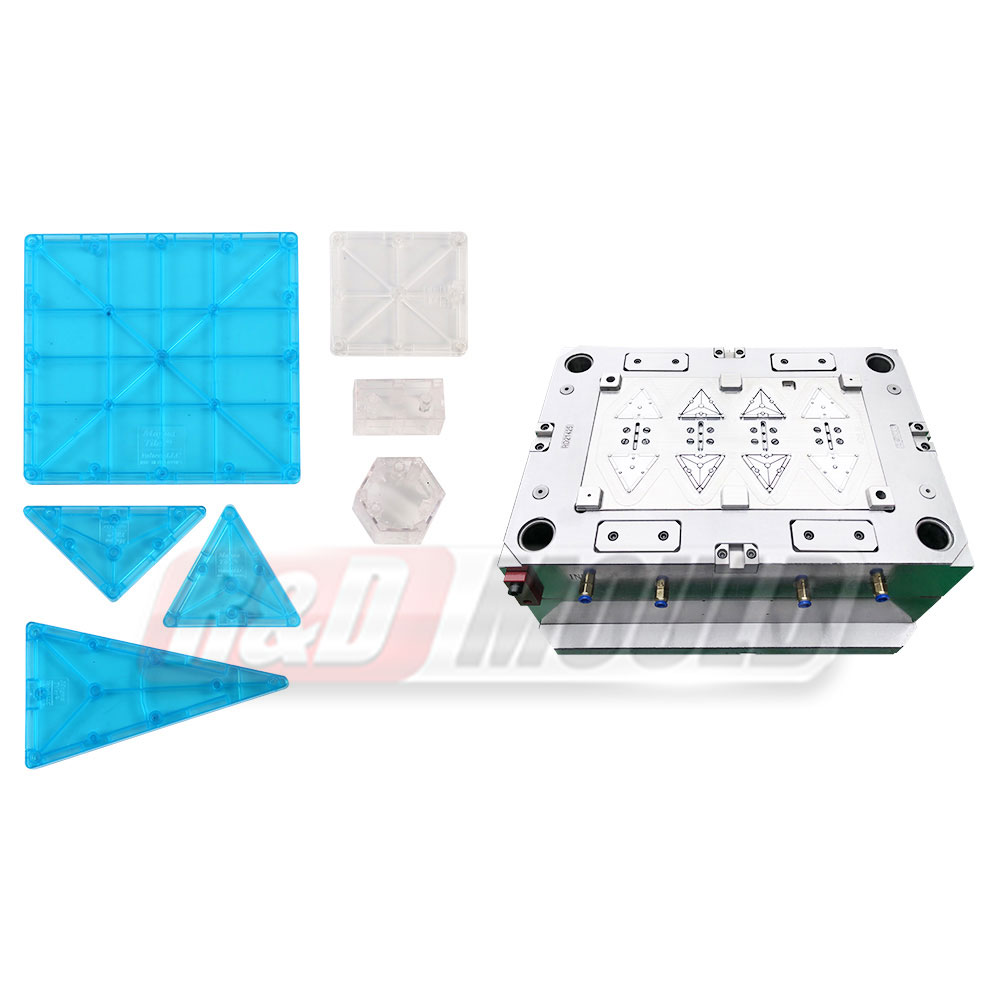
There's also family moulds worth mentioning, where one tool produces a few different but related parts in a single cycle, like a container alongside its matching lid. This isn't always the easiest route, since balancing flow and cooling across two different shapes in one mould adds its own complications, but it can work out for the right product pairing.
A Quick Word On Materials
Different containers call for different resins, and mould design sometimes shifts slightly depending on which one gets used, since each material flows and shrinks a bit differently.
Polypropylene shows up often in containers meant to handle microwave use, since it tolerates heat reasonably well. Polyethylene tends to appear more in containers built for cold storage or general packaging purposes. Which resin makes sense usually comes down to what the container needs to hold up against day to day, whether that's heat, moisture, or just the general wear of shipping and handling.
A food container mould ends up being more of a coordinated system than a simple shape-cutting tool. From the runner system guiding plastic in, to the cooling channels pulling heat out evenly, every part plays into whether the finished container comes out consistent and holds up for actual food use. Once you see how these pieces connect, conversations with a mould maker about cavity setup or material choice tend to make a lot more sense.