

 English
 عربى
عربى Español
 Français
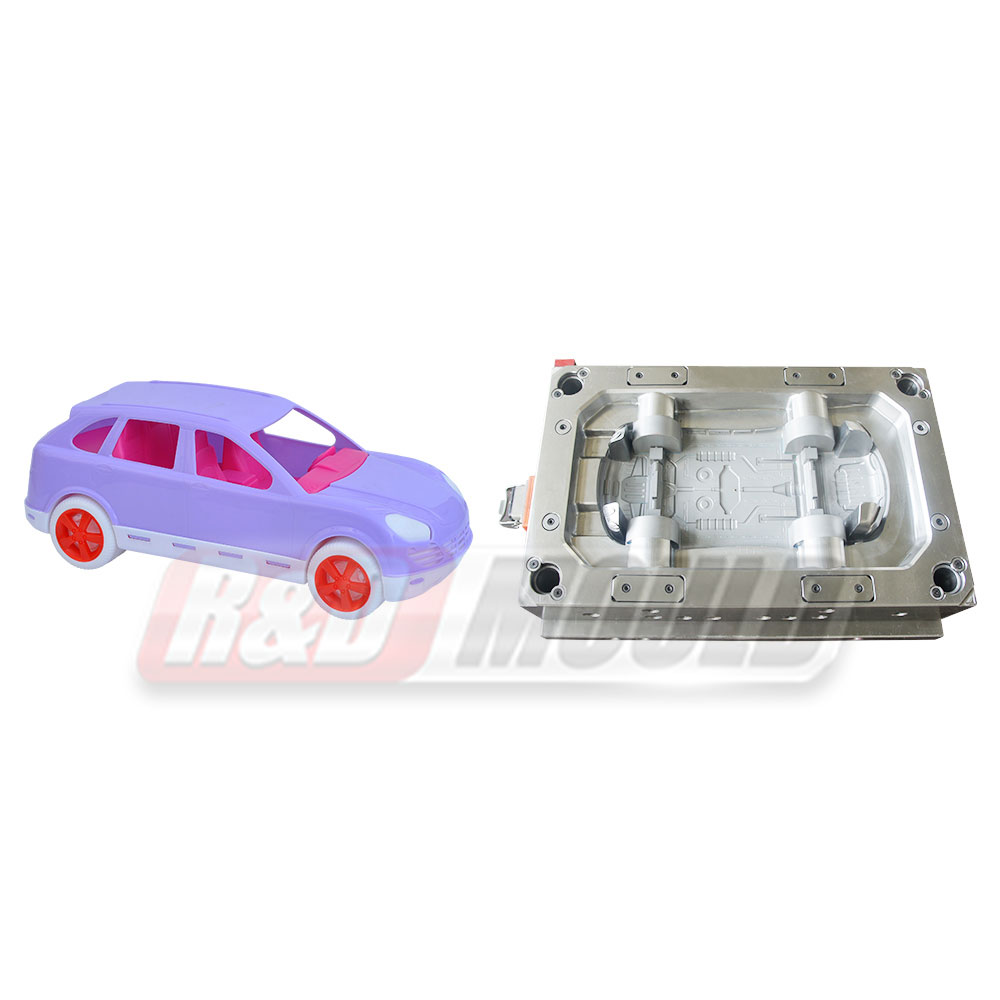
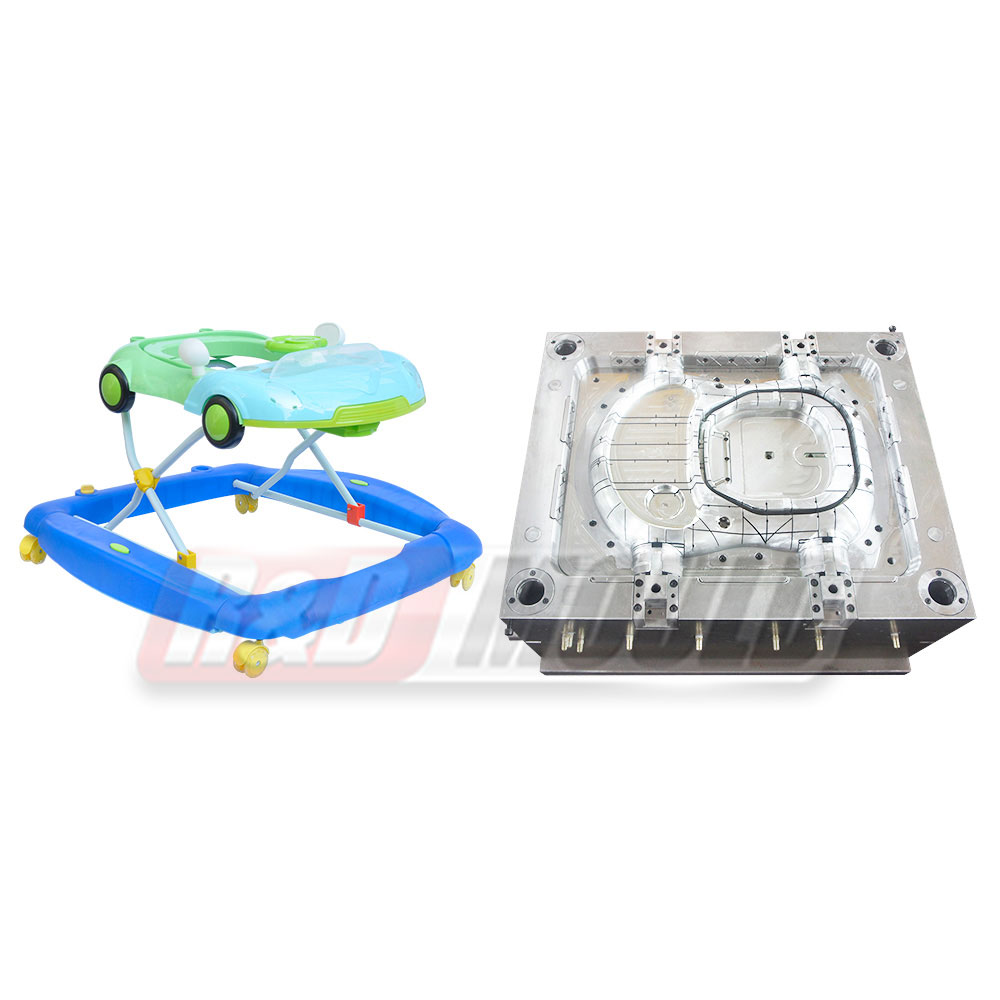
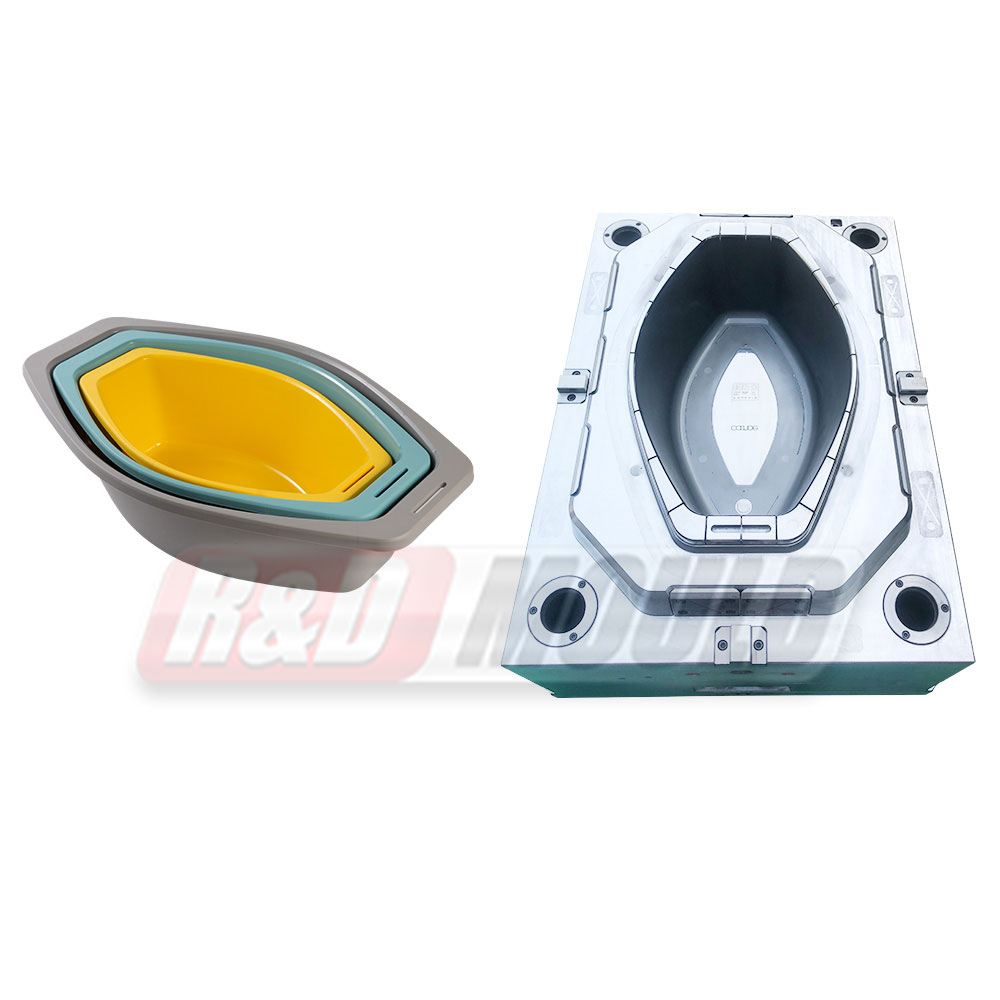
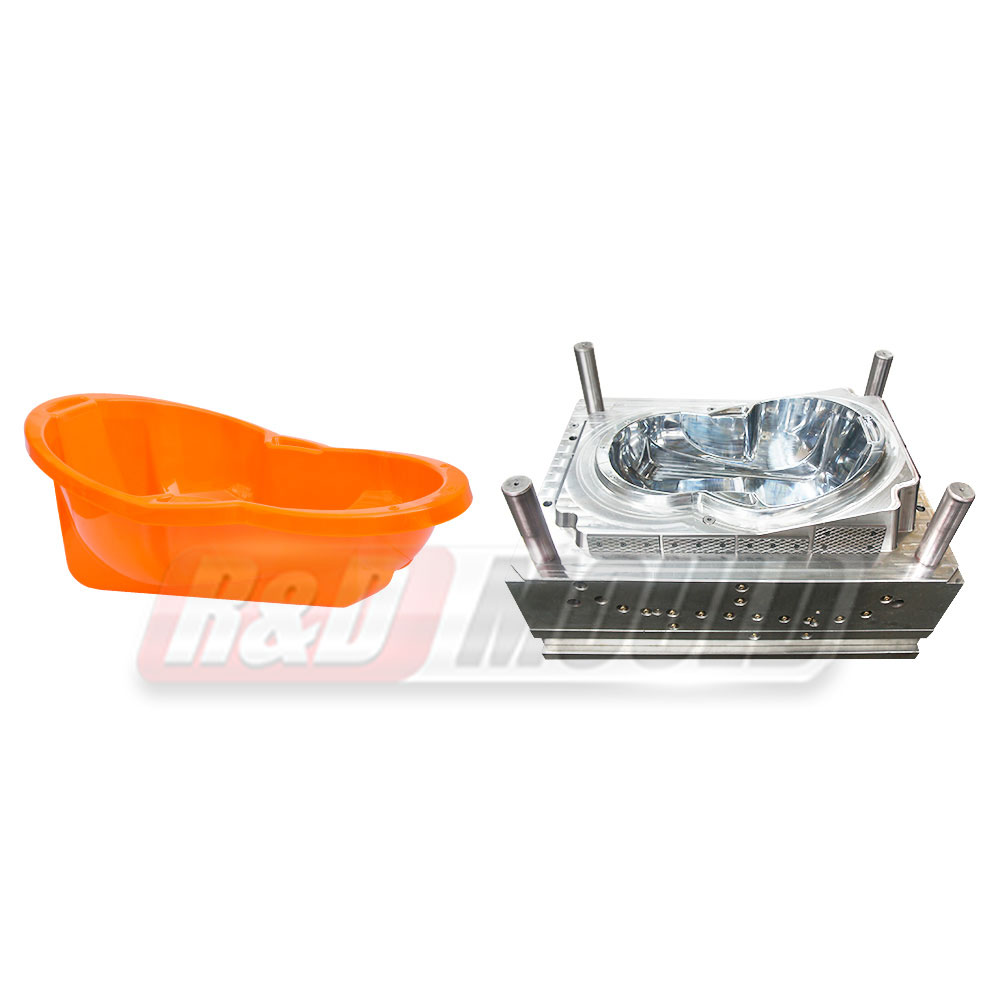
When a product is made for daily contact, small details begin to matter in a larger way. A mold is not only a tool that shapes material. It also affects comfort, edge quality, surface feel, and how steady the final result remains across repeated runs. In Baby Use Mold work, the balance between safety, appearance, and production stability is where value is often judged.
For manufacturers, the real challenge is not just creating a usable shape. It is building a process that stays calm, repeatable, and suitable for products that must feel gentle in the hand and reliable in use. That is why mold structure, material behavior, flow control, and cooling layout all deserve close attention.
How Baby Use Mold Design Shapes Safe Edge Formation and Smooth Surface Feel in Daily Baby Products
A product meant for young users should not rely on appearance alone. Edge quality, corner treatment, and surface smoothness all influence how the finished item feels during everyday handling. Baby Use Mold design usually starts with a simple question: where might the structure feel harsh, catch dust, or create an unnecessary contact point?
A careful layout can support:
- Rounded transitions instead of abrupt changes
- Cleaner parting lines with less visible irregularity
- Surfaces that feel softer to the touch
- Shapes that are easier to wipe and keep clean
Small shape decisions often make a larger difference than expected. A slightly adjusted edge or a smoother surface path can improve comfort without making the design look heavy or complicated. In production terms, these choices also help reduce unwanted trimming work and reduce visible defects on the final product.
What Material Behavior Means for Baby Use Mold Stability During Repeated Injection Cycles
Material behavior is one of the most practical parts of the process. Some materials flow more easily, while others respond better to gentle pressure or controlled heat. When the selected material does not match the mold structure, the result may show uneven filling, stress marks, or slight shape changes after cooling.
A Baby Use Mold should work with material behavior instead of fighting against it. That means watching for issues such as:
- Uneven filling in narrow areas
- Surface marks caused by stress
- Soft deformation after release
- Small changes between repeated runs
Manufacturers often benefit from testing how the material moves through the cavity before scaling up output. Even a stable-looking shape can behave differently when the cycle repeats many times. A steady process helps protect appearance and reduces the chance of inconsistent parts reaching packing stage.
| Focus | What it affects | Practical note |
|---|---|---|
| Edge layout | Safety and comfort | Smooth transitions help reduce harsh contact points |
| Filling path | Shape consistency | Balanced flow supports even material spread |
| Surface treatment | Touch and appearance | Controlled finishing can soften the visual effect |
| Cooling behavior | Dimensional steadiness | Even cooling helps the part keep its shape |
| Release behavior | Production stability | Clean release reduces marks and handling stress |
How Gate Position and Flow Control in Baby Use Mold Affect Filling Balance and Product Consistency
Flow behavior is often hidden during early planning, yet it shapes much of the final result. Gate position influences how material enters the cavity, how pressure moves across the form, and where small marks may appear. If the entry point is not well considered, one side may fill too early while another side struggles to follow at the same pace.
A practical flow plan can support better balance by:
- Spreading material more evenly through the shape
- Reducing visible flow lines in sensitive areas
- Lowering the chance of weak weld zones
- Helping the part keep a steadier appearance from run to run
In Baby Use Mold work, consistency is especially important because the product may be inspected closely by buyers who care about both look and function. A well-placed gate does not need attention later. It simply allows the process to move with less resistance and less correction. That kind of quiet stability is often more useful than a dramatic design change.
Why Cooling System Layout in Baby Use Mold Matters for Shape Accuracy and Long Term Production
Cooling is one of the less visible parts of the process, but it strongly affects whether a part keeps its intended shape. Uneven cooling can create warp, mild shrink change, or a surface that looks stable at release but shifts later. In long production cycles, small thermal differences can build into larger inconsistency.
A thoughtful layout helps the mold release parts with more predictable shape control. It can also support:
- More even surface condition after release
- Lower stress inside the part
- Better repeatability across longer runs
- Less correction during post processing
When cooling is arranged with care, the process feels easier to manage. Operators spend less time chasing small variations, and the final product tends to stay closer to the intended form. For manufacturers, that means the mold is doing its job without demanding constant adjustment.
Baby Use Mold projects often succeed when the thermal path is treated as part of the design, not as a later fix. A shape may look simple on paper, yet still depend heavily on how heat moves away during production. That is why cooling design deserves the same attention as edge detail or gate placement.
Practical Checks That Help Keep Production Calm and Repeatable
A stable process usually comes from a set of small habits rather than one large change. Before moving into regular output, it helps to review the structure from several angles. Many teams use simple checks such as:
- Looking for sharp transitions that may create stress
- Reviewing whether material reaches every area evenly
- Checking whether surface detail stays clean after release
- Confirming that cooling behavior does not shift the shape
- Watching whether repeated cycles remain similar over time
These checks are not complicated, but they can prevent unnecessary waste later. In a manufacturing setting, quiet consistency is often the more valuable result. For that reason, Baby Use Mold planning should always connect design intent with production behavior, not treat them as separate tasks.
Baby Use Mold work is rarely about one feature alone. It is usually the combination of edge treatment, flow balance, material response, and cooling control that shapes the final outcome. When those parts work together, the mold supports a product that feels stable in production and comfortable in use.