

 English
 عربى
عربى Español
 Français
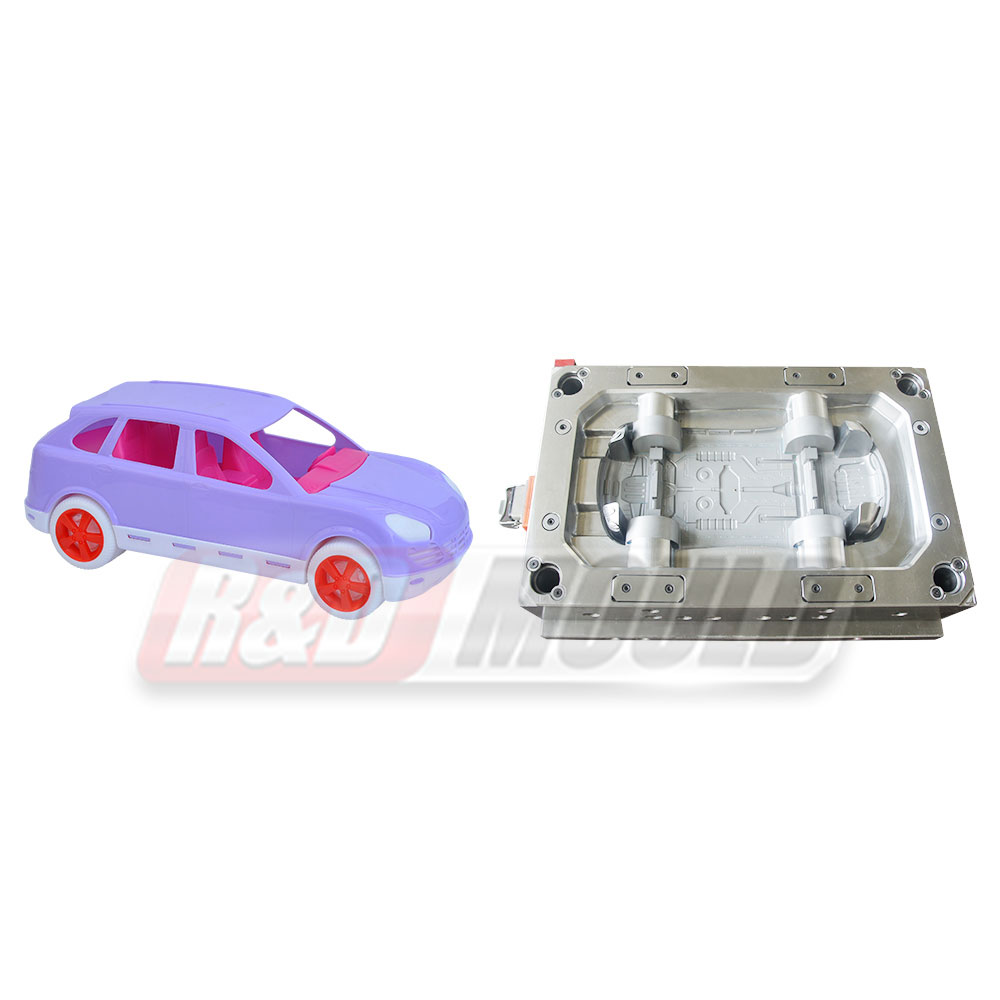
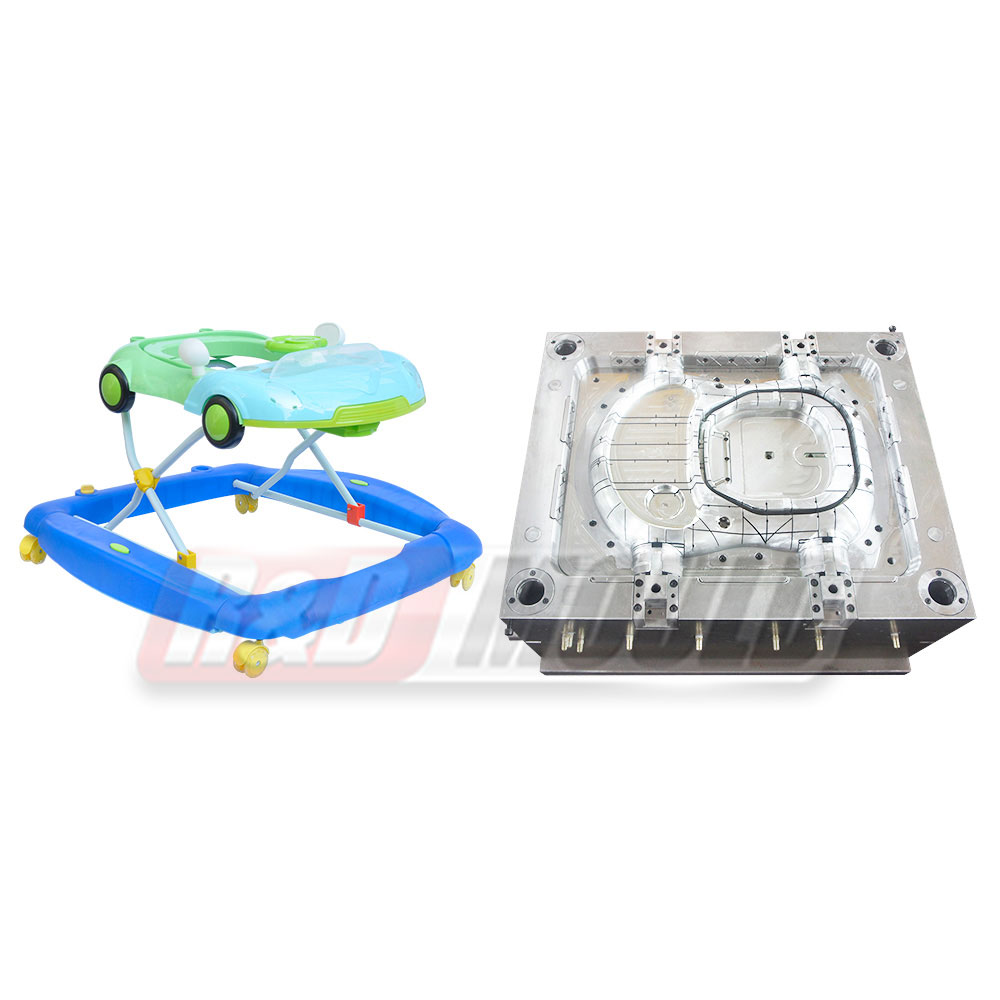
Many people assume that making a plastic car part is easy once you have a mould. The truth is, a poorly built Automotive Mould creates endless trouble. Parts come out with weld lines, sink marks, or warpage. Production slows down. Rework eats up time and money. You need an Automotive Mould that delivers consistent parts, cycle after cycle. That means getting the design, material, and cooling details correct before cutting any steel.
Quality Control Issues in Automotive Mould Production
Hot stamping moulds face cyclic thermal loads and stress concentration during daily operation. These loads cause wear, micro-pits, and even fracture if the mould design fails to match actual usage. An Automotive Mould for high-volume car components demands attention to material selection, heat treatment, and surface treatment. Neglecting any of these invites early failure.
Weld lines and air traps mark another common headache. These small defects appear on bumpers, dashboards, and instrument panels when melt front behavior runs uncontrolled. The result looks unprofessional and may fail quality inspection.
What can you do? Choose an Automotive Mould Factory that runs mold flow simulation before cutting steel. This catches flow problems early and lets you adjust gate locations or wall thickness. The simulation also shows where cooling needs reinforcement.
What Production Efficiency Actually Looks Like
Cycle time matters. A mould that cools slowly adds extra seconds to each shot. For a long production run, those seconds turn into days of lost output.
Traditional cooling channels with straight-line drilling often fail to cool complex geometries. Parts with varying thickness heat unevenly. The mould operator waits longer for the part to cool, or worse, ejects a part too early and ruins it.
How Material Choice Affects Your Mould Life
Steel selection drives how long your Automotive Mould lasts. High-purity mirror-grade steels work well for automotive plastic injection projects. These grades hold polish well and handle high-volume production without wearing out fast.
For mould bases, hot rolled steels from low-carbon to medium-carbon grades serve the industry consistently. The choice depends on your production volume and the plastic material you run.
Match steel hardness to your expected shot count. A soft steel wears quickly under abrasive-filled plastic. A steel that is too hard costs more and takes longer to machine. An experienced Automotive Mould Factory recommends steel grades based on your actual production needs, not a one-size answer.
Getting the Surface Finish Right
Your Automotive Mould cavity determines how each plastic part looks. High-gloss finishes demand polish on the cavity surface. Any scratch or tool mark transfers to every part. Uniform texture across the cavity gives a consistent matte finish across the part surface.
Checking for tool defects before texturing saves rework. Machining with a chipped cutting tool creates marks that no amount of polishing removes. A careful inspection step before surface finishing prevents this waste.
A well-built Automotive Mould does not happen by accident. It starts with smart design choices, continues with proper steel selection, and finishes with careful testing. Every production delay or part defect traces back to a decision made early in the mould building process. Working with a competent Automotive Mould Factory means you get cooling analysis, material guidance, and trial runs built into the project. The right partner helps your production run steadily, delivering clean parts in every cycle.