

 English
 عربى
عربى Español
 Français
Plastic baby products are everywhere. But making them safe? That takes a special approach. Kids have soft skin. They also have a habit of climbing, dropping, and biting whatever you give them. So the mold you choose matters a lot. Let's walk through the real details of Baby's use of Mold production.
Smooth Surfaces Are Not Optional
Run your finger over any baby toy or bathtub. Feel anything rough? That is a problem. Babies get rashes and small cuts from bad plastic edges. A proper Baby use Mold gets mirror polish on every surface the child touches. No exceptions. Why mirror polish? Because the mold transfers its finish directly to the plastic part. Rough mold equals rough product. Smooth mold equals a safe product.
Here is what a polished Baby use Mold prevents:
- Skin scratches from gate marks
- Redness from ejector pin bumps
- Discomfort from parting line ridges
- Burrs and Flash – Small Issues, Big Trouble
Burrs are those thin plastic flaps left behind after molding. Many factories ignore them. For baby products, that is a mistake. A sharp burr near the gate area can cut a baby's finger. Flash along the mold parting line feels like a tiny knife edge.
A reliable Baby use Mold Factory removes burrs completely. They use precise clamping so plastic does not leak out. Then they manually trim the gate area. They also polish ejector pin tips until smooth. One more thing – they never blast the mold surface with sand or beads. Blasting leaves micro pits. Those pits create roughness later. So, real baby mold makers only polish. No shortcuts.
Strong Parts Come from Smart Design
Smooth is great. But what happens when a kid stands on a baby chair? Or drops a walker down two steps? The part must hold up. That comes from wall thickness and ribs.
many babies use Mold designs that use walls between 2.5 mm and 4 mm. Thinner walls risk cracking. Thicker walls get sink marks. So you find a middle ground. Then you add ribs – those cross-shaped supports you see under seats and toilet rings. Ribs add stiffness without adding bulk.
Example uses for ribbed Baby use Mold:
- Baby chair seat – ribs stop flexing in the middle
- Child toilet – ribs prevent cracking from side loads.
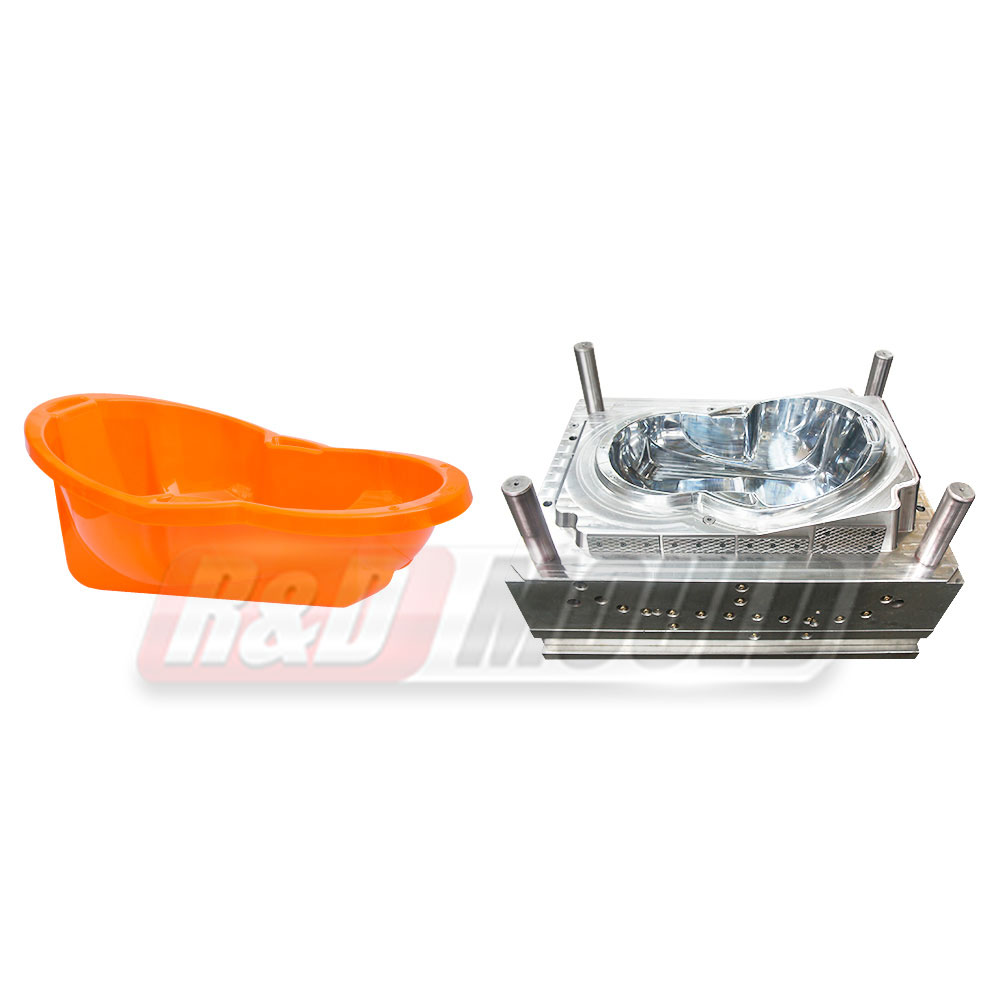
- Bathtub – ribs along the bottom resist water weight
- Sample Testing Before Full Production
New mold? Run samples . Take those samples and push, pull, twist, and load them. One factory trick is to put double the expected weight on a baby chair sample. If it cracks, the Baby uses Mold needs more ribs or thicker walls. If it holds, you are ready to go.
Strength testing sounds technical, but it is simple. You just simulate normal use and push a little harder. That catches weak points before you make ten thousand parts.
Custom from Your Drawing or Sample
Do you have a sketch, an old sample, or just an idea? A solid Baby use Mold Factory can build the tool from there. They will add draft angles so parts release easily. They will hide the injection gate where kids cannot touch it. They will recommend a plastic type – rubber for soft toys, PP for bathtubs, ABS for chairs.
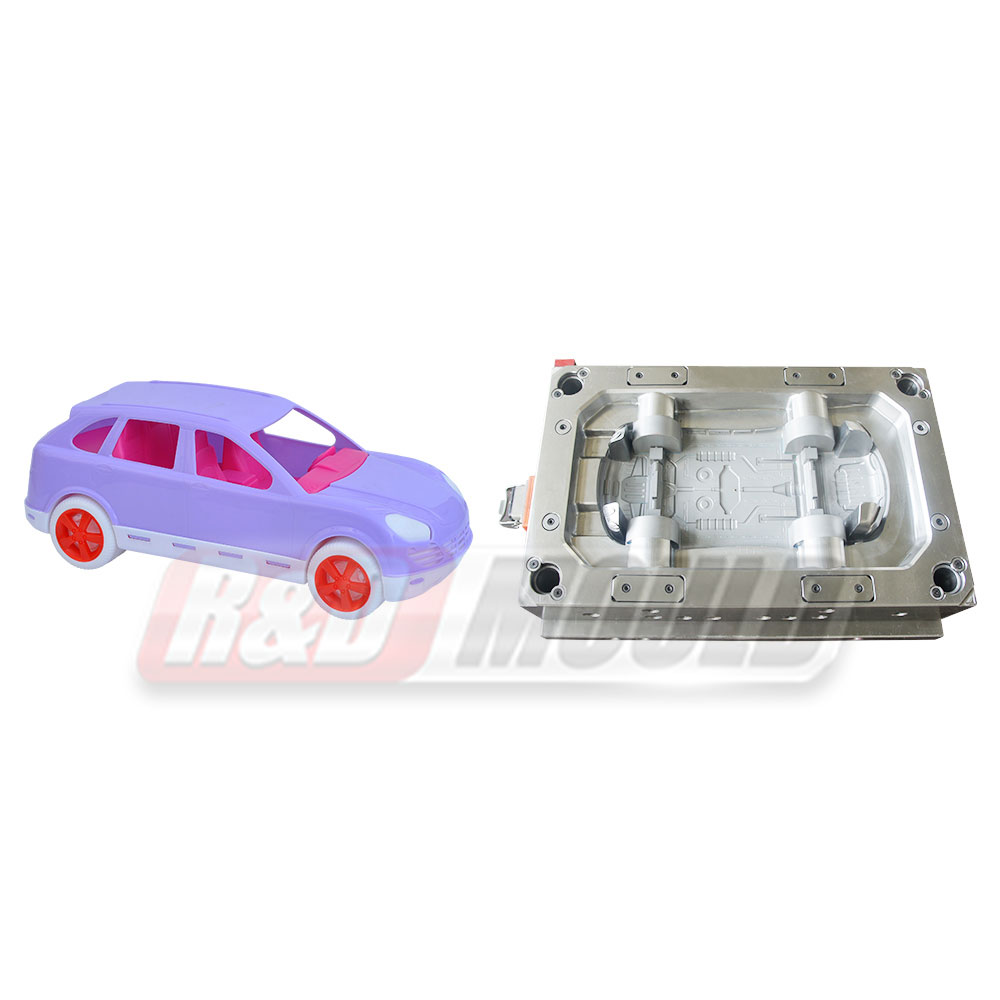
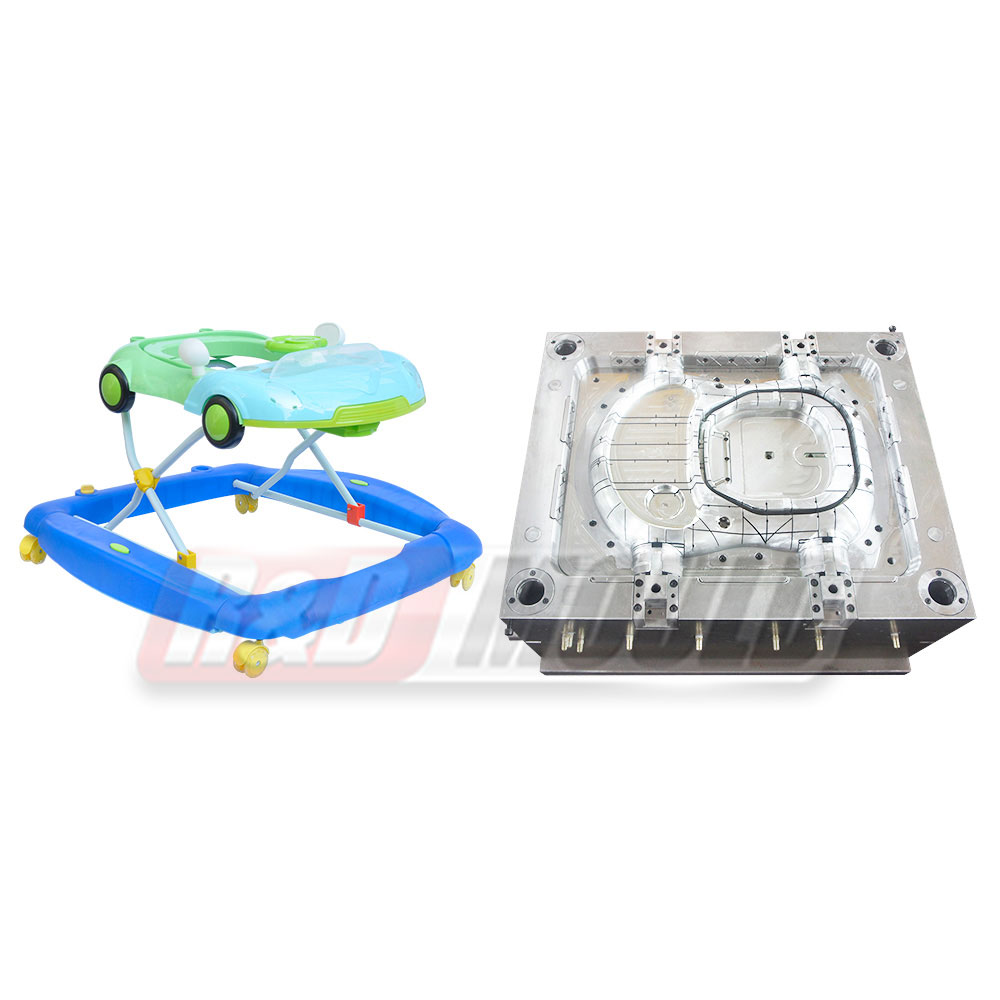
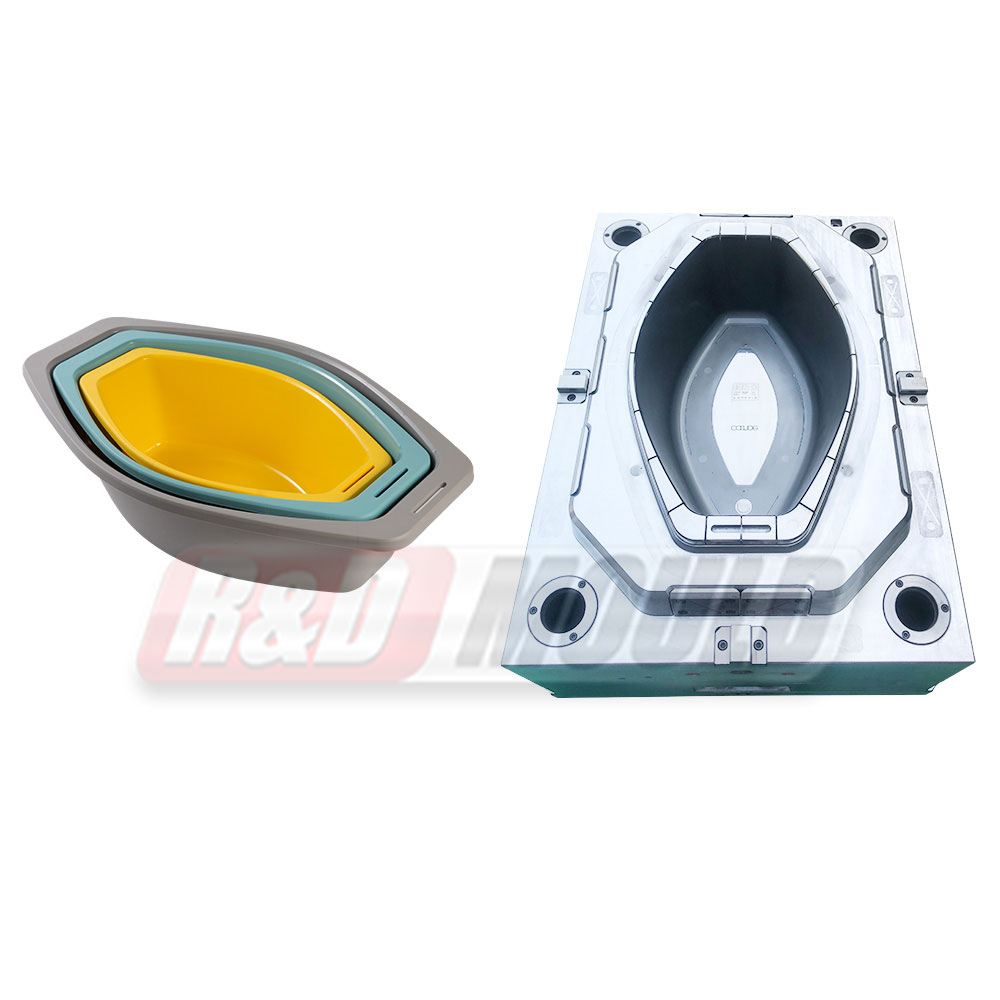
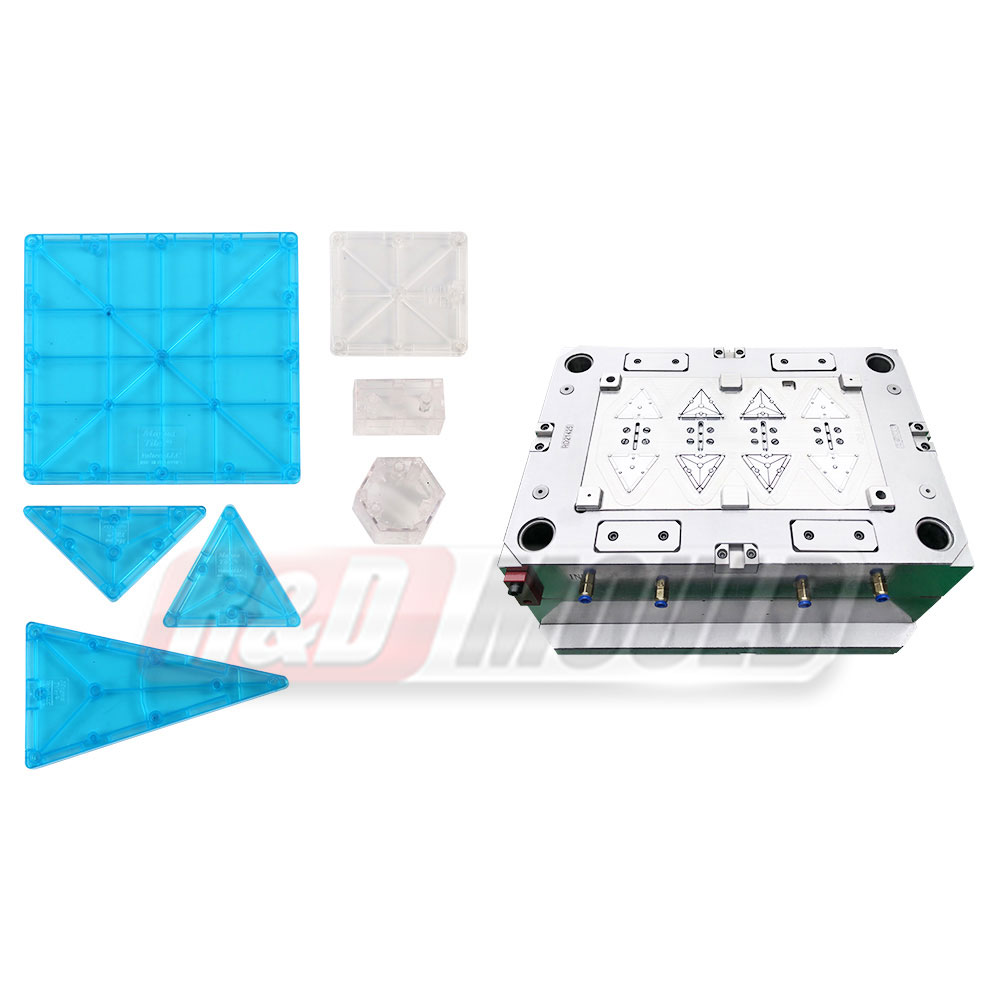
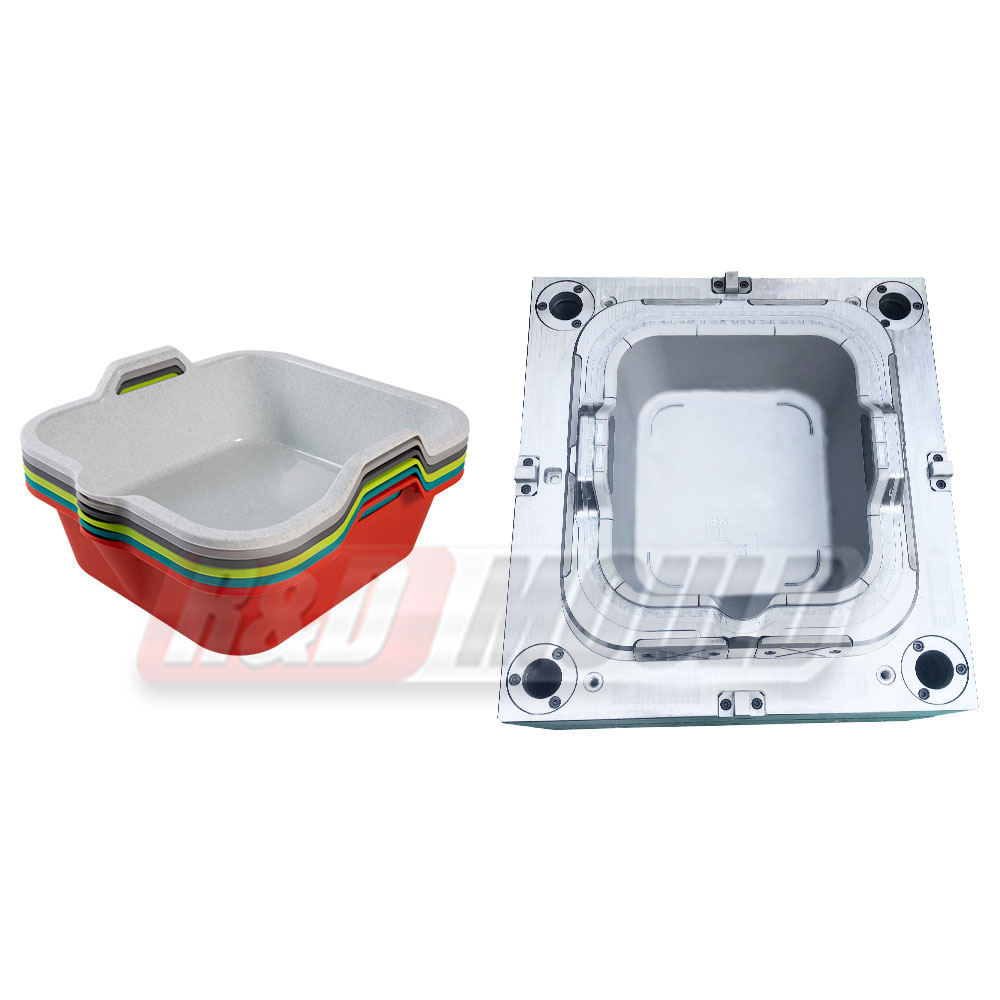
Taizhou Huangyan R&D Plastic Mould Co., Ltd specializes in Baby use molds for walkers, chairs, toilets, bathtubs, and toys. They do mirror polish, remove every burr, and add ribs where needed. You bring the drawing or sample. They deliver a mold that works from the shot. No guesswork. Just clean, strong, safe baby products.