

 English
 عربى
عربى Español
 Français
Household products are part of daily life, from storage boxes to kitchen tools. Behind each plastic item stands a carefully engineered Household Mould. Stable structure, smooth surface, and consistent dimensions depend on how the mould is designed and built.
For factories producing large quantities of commodity parts, output volume is often high. That creates pressure on tooling stability, cooling balance, and surface finish. A professional Household Mould Manufacturer understands these concerns and works from product structure to long-term production planning.
Understanding Production Demands of Household Mould
Commodity moulds differ from automotive or industrial moulds. Production cycles are shorter, and cavity numbers are often higher. A single Household Mould may run continuously for hours.
Pain points often include:
- Uneven wall thickness is causing shrink marks.
- Flash or mismatch along parting lines
- Warpage after cooling
- Surface defects affecting product appearance
- Frequent maintenance interrupts production.
- Addressing these issues begins at the design stage.
Mould-Flow Analysis in Household Mould Development
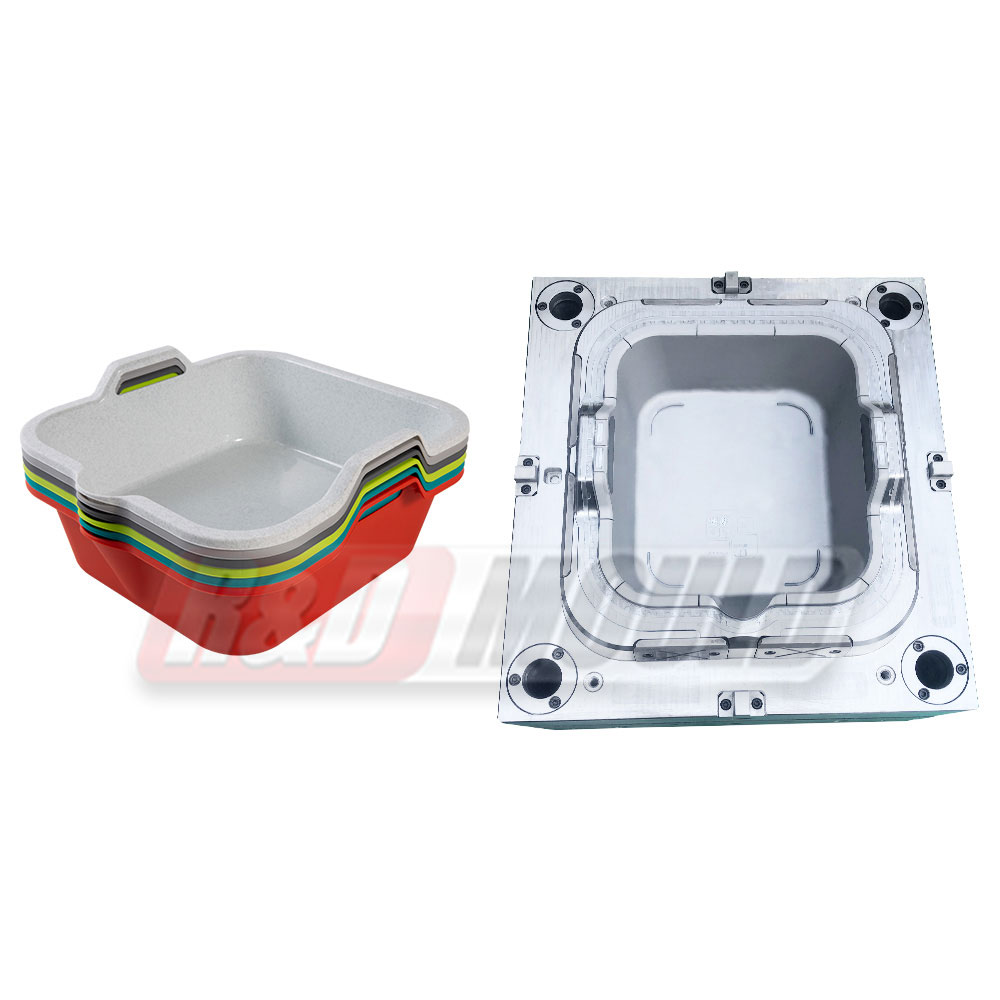
Material type, product shape, wall thickness, and cavity layout all influence the result. During development, mould-flow analysis helps predict filling balance, air traps, weld lines, and shrinkage zones.
By studying these results early, the structure can be adjusted before steel cutting begins. Gate location may change. Cooling lines can be repositioned. Cavity numbers cabe optimiseded.
This step reduces trial modifications and supports stable production once the Household Mould enters operation.
Precision Machining and Tolerance Control
Tooling accuracy influences how well mould components fit together. High-speed CNC machines shape core and cavity blocks within defined tolerance. Deep gun drilling ensures straight and accurate cooling holes.
Movement parts such as sliders must move smoothly without friction marks. Proper fitting reduces abnormal wear and keeps the mould structure reliable during long production runs.
A qualified Household Mould Manufacturer integrates machining control with assembly inspection to maintain dimensional consistency.
Surface Finish and Product Appearance
Appearance matters for household products displayed on store shelves. Even slight surface defects are visible.
Hand polishing remains important after machining. Polishing enhances cavity surface quality and supports long-term gloss retention. Smooth surfaces also reduce resistance during part ejection.
In high-output Household Mould projects, surface treatment influences both aesthetic results and production efficiency.
Continuous Production Testing
Before shipment, mould testing simulates real production conditions. Running the mould continuously for two hours helps evaluate:
- Stability of the guiding system
- Cooling performance
- Ejection consistency
- Flash control along parting lines
Continuous testing identifies weak points that may not appear in short sampling trials. Adjustments can be made before final delivery.
Selecting the Right Household Mould Manufacturer
Choosing a supplier is not only about price. Technical experience in commodity moulds plays a major role.
R&D Mould focuses on designing and manufacturing commodity tooling. Years of work in high-volume projects provide a practical understanding of cavity balance, cooling layout, and surface requirements.
A capable Household Mould Manufacturer pays attention to production efficiency as well as visual quality. Layout planning, steel selection, machining method, and assembly detail all influence long-term mould behaviour.
Stable mould performance reduces interruptions and supports predictable output. Consistent product dimensions reduce sorting and secondary handling. Smooth surfaces improve product presentation.
Thoughtful design from the beginning reduces later adjustments. When layout, cooling, guiding system, and machining tolerance are properly managed, the Household Mould becomes a stable tool rather than a frequent maintenance concern.
Commodity production depends on repeatability. Careful planning, structured analysis, and practical manufacturing experience shape the outcome. A reliable Household Mould Manufacturer builds tooling that aligns with daily production demands and maintains performance over extended cycles.