

 English
 عربى
عربى Español
 Français
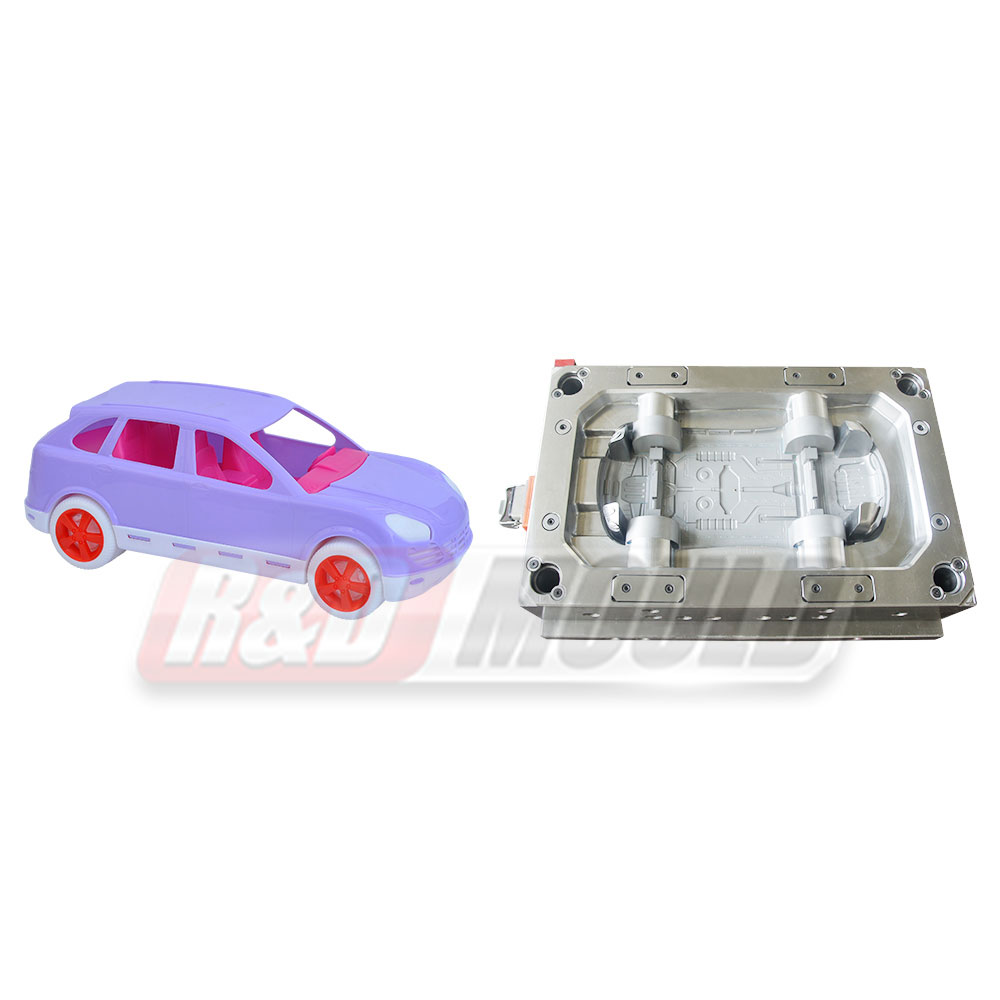
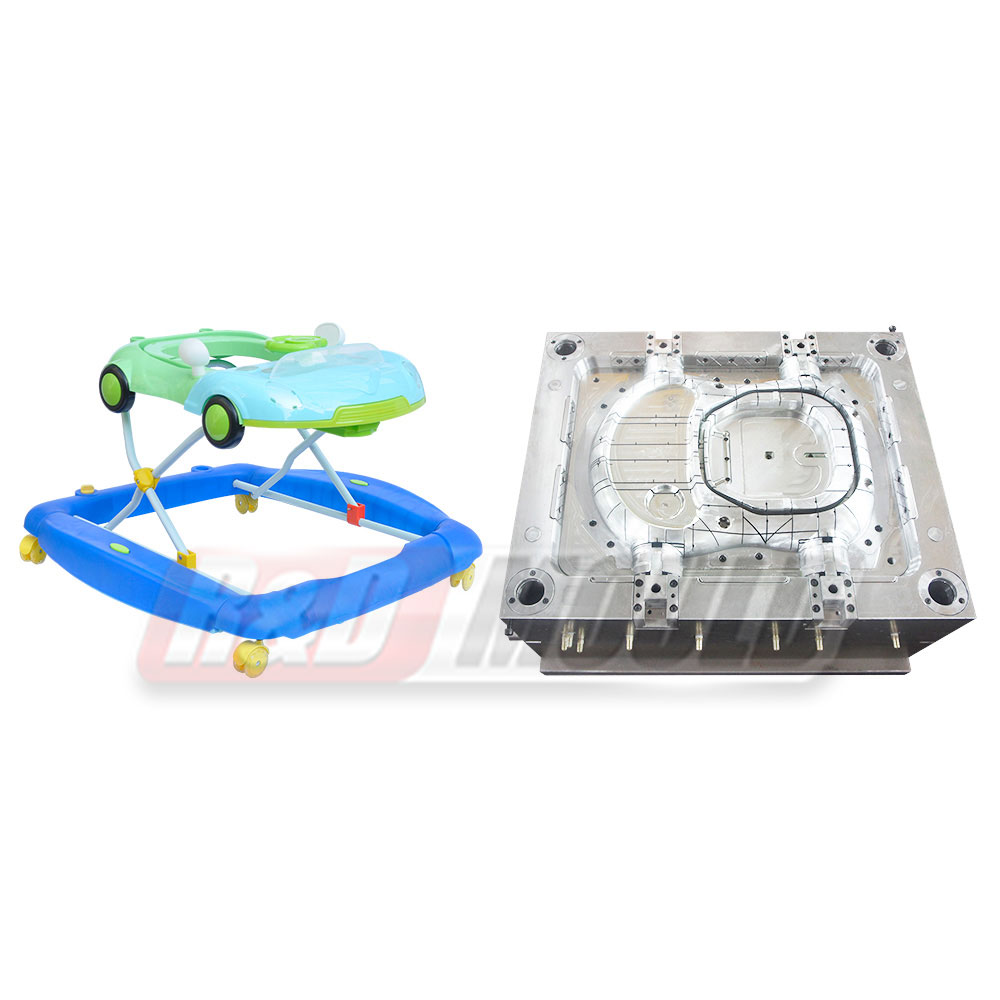
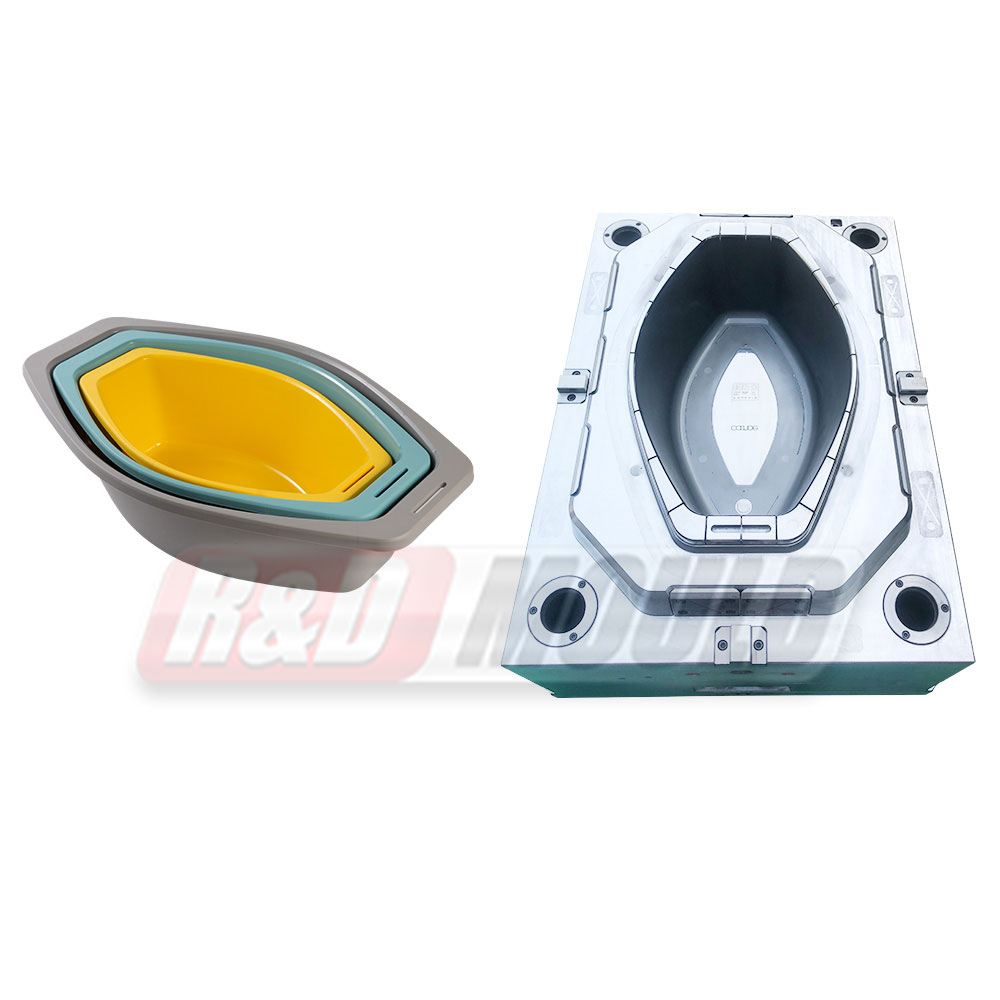
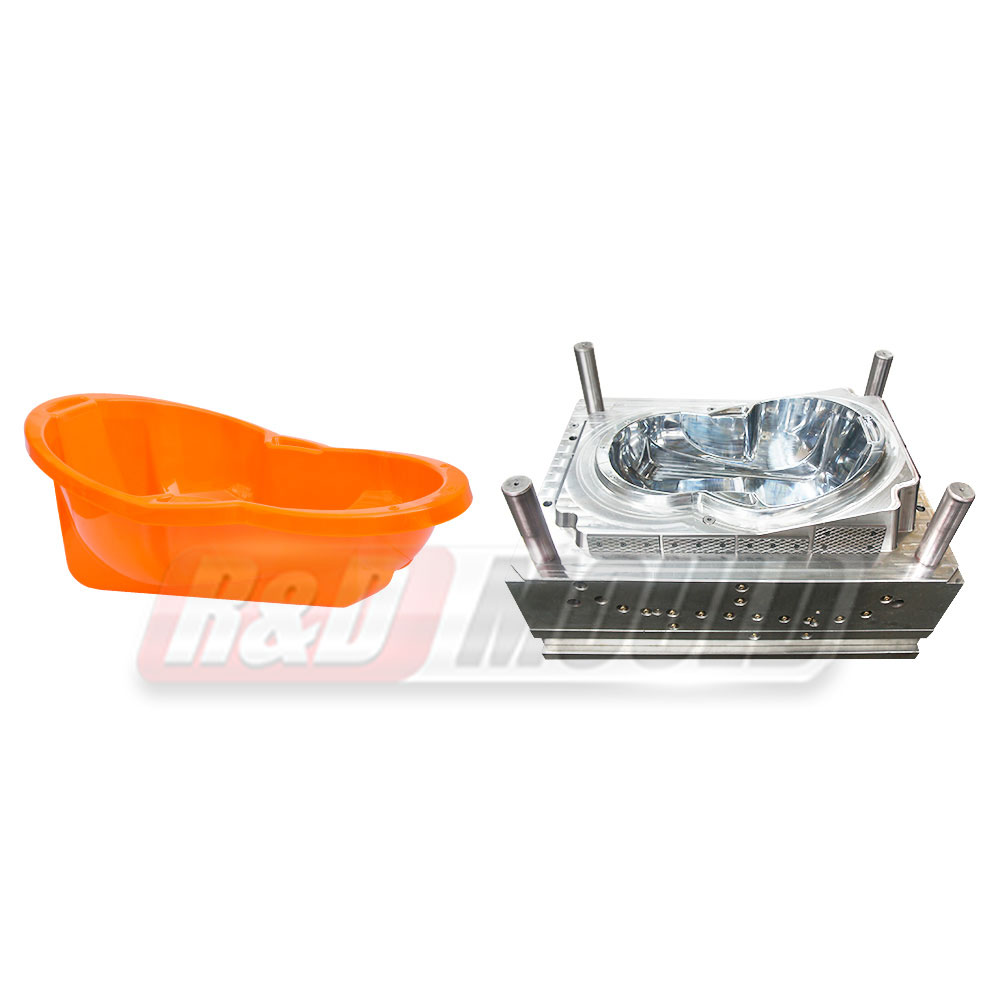
Household products are used every day, which means production volume is usually high and appearance expectations are clear. A well-designed Household Mould supports stable output while keeping the surface of the product clean and consistent. Unlike automotive or industrial parts, commodity items focus more on visual quality and smooth edges, so mould structure plays a visible role.
Before manufacturing starts, mould-flow analysis is carried out based on product material, shape, wall thickness, and cavity number. This step helps identify potential issues such as uneven filling or deformation. Adjustments at this stage reduce repeated changes later and keep production more predictable. Household Mould Manufacturers treat this phase as a technical foundation rather than a formality.
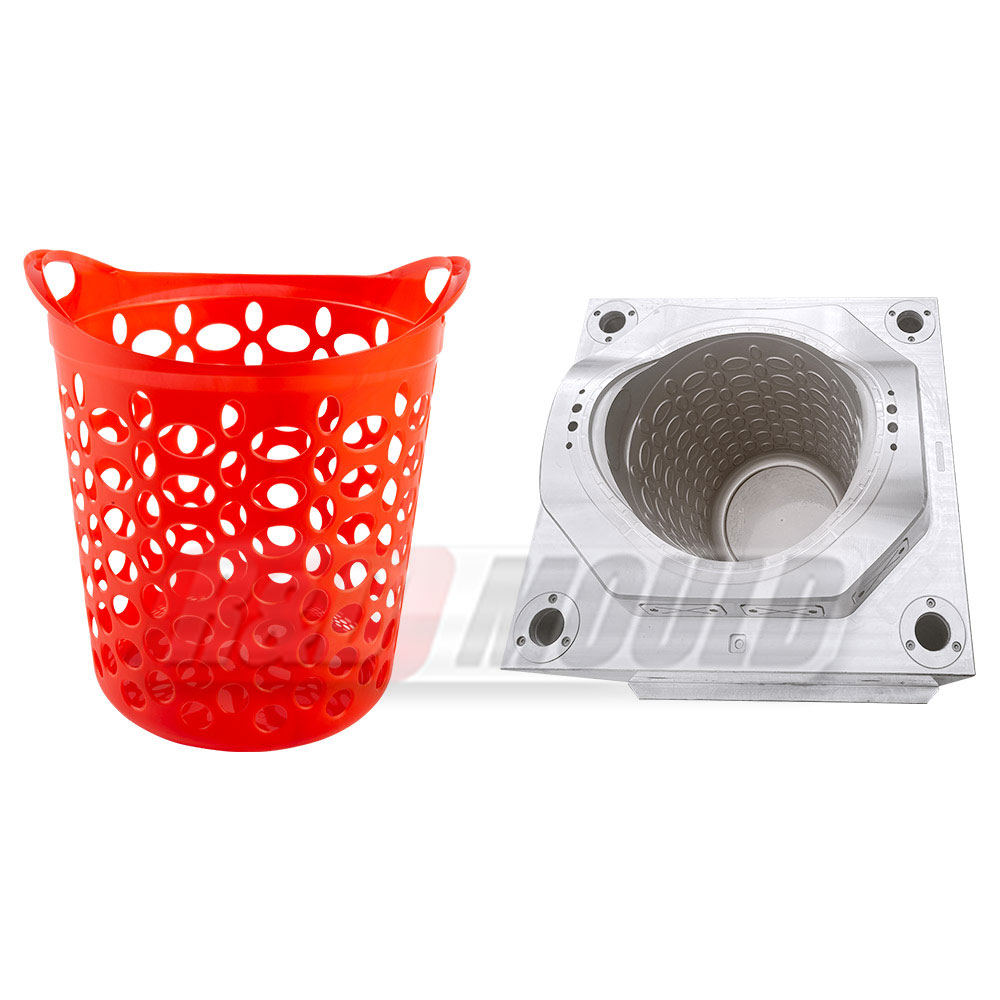
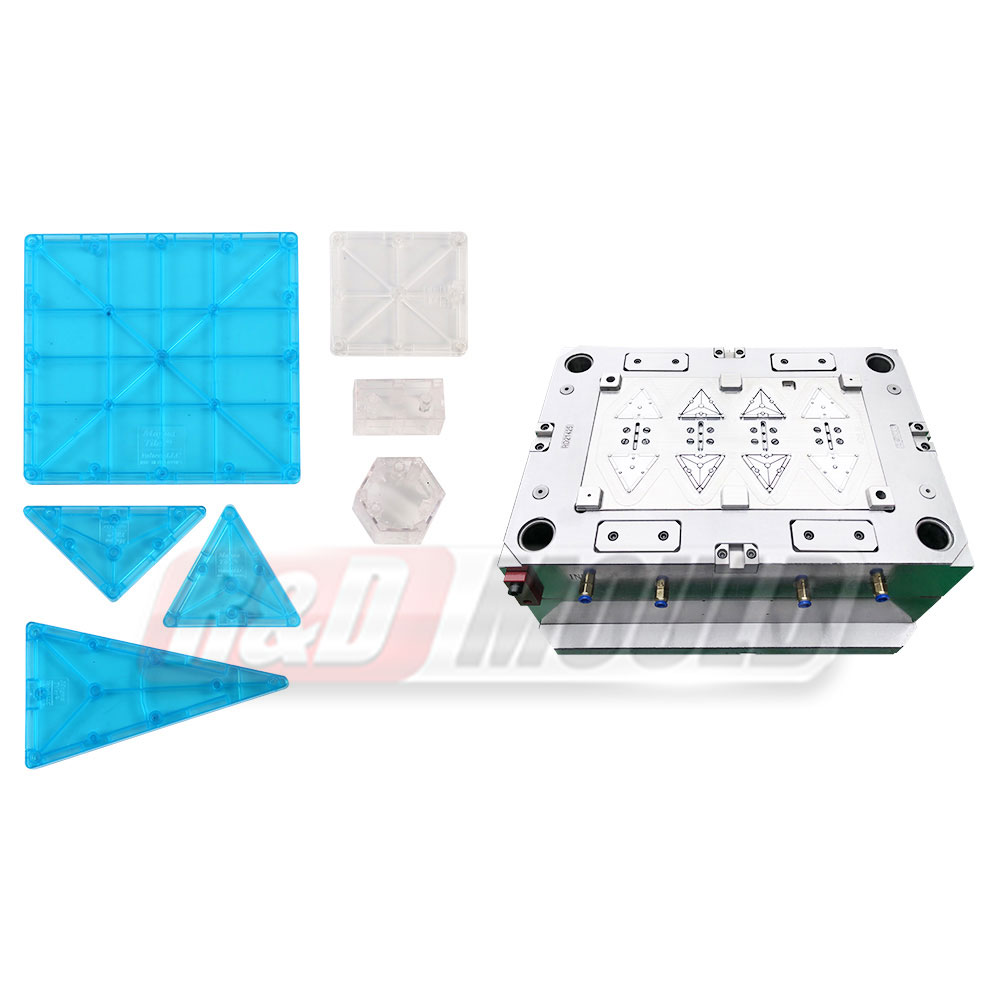
For products with multiple cavities, the balance between cavities becomes important. Uniform filling supports consistent size across all pieces, which helps downstream packing and assembly run without interruption.
How Cooling and Layout Influence Household Mould Performance
Cooling design is closely tied to the cycle rhythm. A Household Mould with an uneven cooling system may create differences in shrinkage, which affects product shape and surface. To avoid this, cooling layouts are designed to provide uniform and steady temperature control across the mould.
Technical meetings are usually held after receiving product drawings and technical sheets. During these discussions, mould layout, runner system, and cooling channel positions are reviewed in detail. For high-output moulds, guidance systems are also considered early. Copper graphite guide sleeves and stable guiding components help keep long-term operation aligned and reduce offset during repeated cycles.
Movement parts such as sliders, eject blocks, and angle lifts are selected with durability in mind. Household Mould Manufacturers often use standard parts that are easy to maintain while keeping structural stability during extended production.
Manufacturing Precision and Surface Finish in Household Mould
Manufacturing accuracy directly affects how the mould performs in daily use. Deep gun drilling is used for cooling holes to keep channels straight and consistent. High-speed CNC machines handle tooling work to keep every element within tolerance. This precision supports smooth mould closing and stable parting lines over time.
Surface finish is another key factor. For household products, visual quality is often judged at a glance. Hand polishing is used to refine mould surfaces so that products maintain a clean and even appearance during long production runs. This process helps the mould surface remain stable instead of wearing unevenly.
-1.jpg)
Household Mould design also considers ease of ejection. Proper draft angles and ejector layout reduce surface marks and help products release smoothly, supporting steady output without frequent adjustments.
How Household Mould Manufacturers Validate Real Production Conditions
Testing is not limited to short trials. Household Mould Manufacturers usually perform continuous production testing for around two hours to simulate real operating conditions. This process checks whether cooling, ejection, and alignment remain stable under ongoing cycles.
Such testing helps confirm that the mould layout and guidance system work as planned. It also reveals whether any part shows abnormal wear during the early stages. Adjustments made at this point are more effective than changes after full-scale production begins.
A Household Mould built with attention to layout, cooling, steel selection, and surface finish supports consistent output and stable appearance. When design and manufacturing are aligned with actual production needs, the mould becomes a reliable part of daily commodity manufacturing rather than a source of repeated adjustments.