

 English
 عربى
عربى Español
 Français
A well-made storage box starts long before plastic injection begins. It starts with the mould. For products used in home storage, warehouse organization, retail packaging, and daily stacking, mould structure directly affects product shape, appearance, assembly, and repeat production.
A Plastic Box Mould is not just a tooling item. It is the foundation behind box quality, fit, consistency, and production rhythm. For businesses that need stackable boxes, wheeled boxes, transparent containers, or custom structures, mould design plays a major role in how the final product performs in real use.
At R&D Mould, each project is developed around practical production needs, not just drawing output. From product design to mould flow analysis and tooling design, every stage is connected to the final moulding result.
From Sketch to Tooling: How the Project Usually Starts
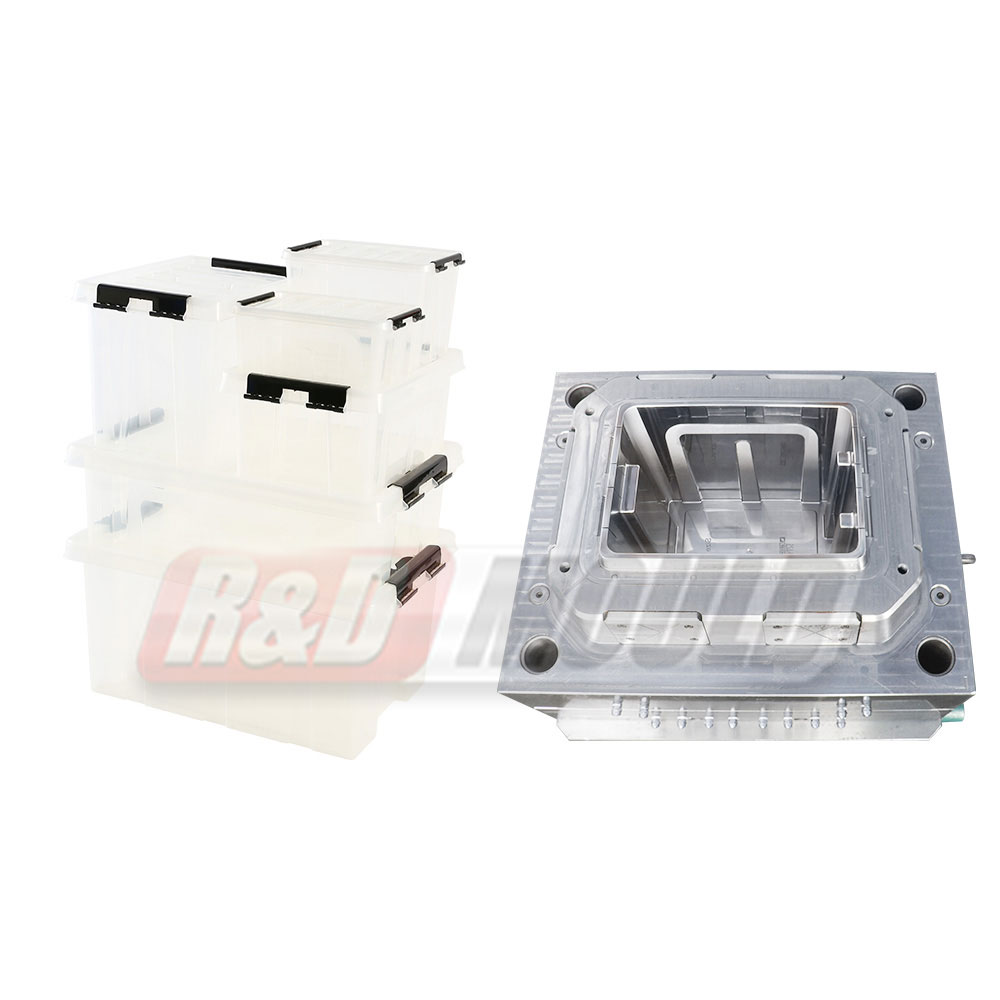
Many storage box projects do not begin with a finished 3D file. Sometimes the starting point is:
- an original sample
- a rough sketch
- a size reference
- a concept with feature requests
This is where a factory with design capability becomes useful.
Product Design Based on Real Use
Before tooling design starts, the product structure needs to be checked carefully. During this stage, important questions include:
- Will the box stack smoothly?
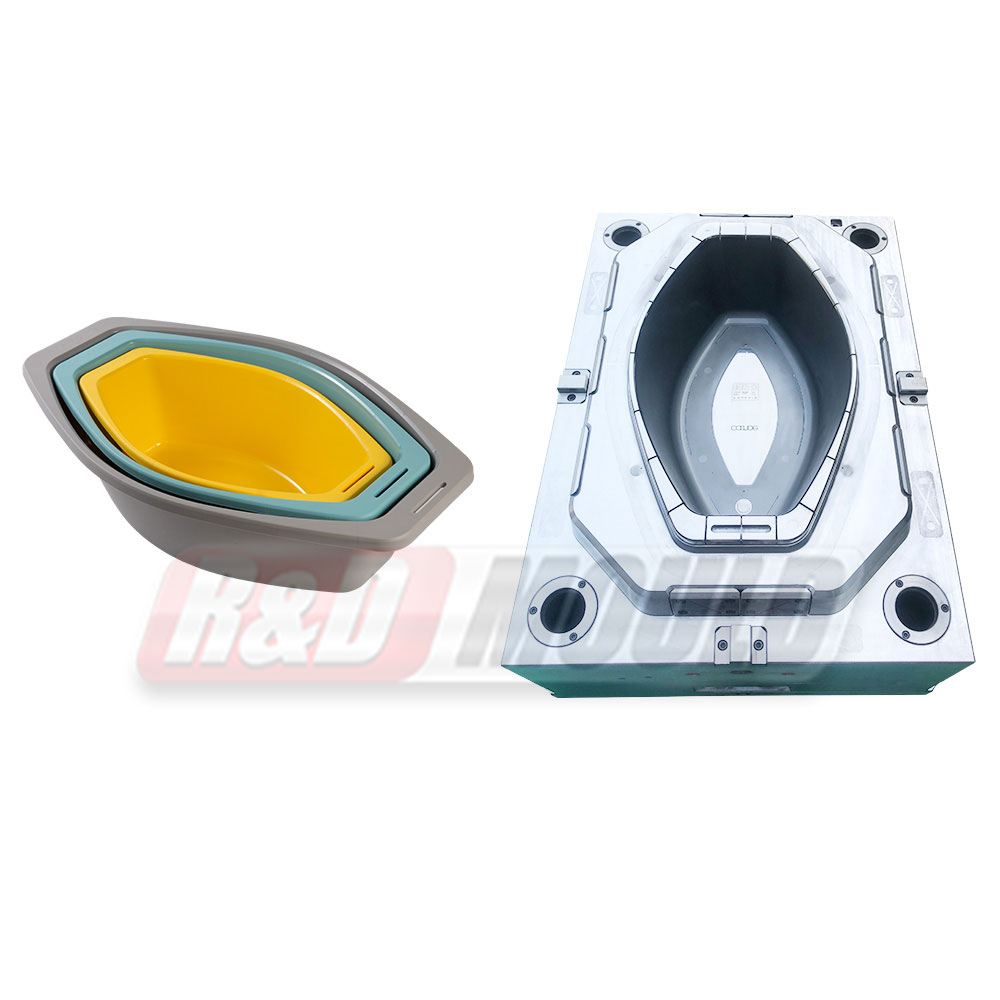
- Can it nest to save space?
- Will the lid or side opening align properly?
- Is the wheel area strong enough?
- Can the shape release cleanly from the mould?
For storage box projects, nesting and stacking are not small details. They directly affect packaging, transport, shelf display, and end use. A box that looks fine on screen but does not stack well in reality can create unnecessary trouble later.
This is why many customers prefer to work with a Plastic Box Mould Manufacturer that can support both design thinking and mould execution.
Material Choice Also Shapes the Mould Plan
Storage boxes are commonly produced in:
- PP
- PE
- ABS
Each material behaves differently in molding and in final use.
PP
PP is widely used for storage box applications because it offers practical forming performance and is commonly used for household and utility boxes.
PE
PE is often selected when flexibility or a specific usage style is needed.
ABS
ABS is suitable for projects that require a different feel or appearance and may involve more defined surface expectations.
Material selection affects:
- shrinkage behavior
- surface finish
- gate design
- cooling layout
- final dimensional control
A suitable Plastic Box Mould should always be developed with the intended resin in mind, rather than treated as a generic box tool.
Why Mold Flow Analysis Should Not Be Skipped
Before actual mould design starts, mould flow analysis is a valuable step. This is especially important for larger storage box products or transparent applications.
Mold flow analysis helps review:
- filling behavior
- gate position logic
- air trap risk
- weld line areas
- pressure balance
- possible visual defect zones
This early review can reduce unnecessary trial-and-error later in production.
For transparent box products, appearance issues are much more visible. A small defect that may be acceptable on an opaque part can become a major problem on a clear one. That is why flow planning matters early.
A storage box may appear simple, but its tooling should be developed with clear logic and production awareness. From material behavior and venting layout to stacking design and wheel structure, every part of the mould affects the result.
As a focused Plastic Box Mould Manufacturer, R&D Mould specializes in storage box mould projects made in PP, PE, and ABS. The team can work from original samples or sketches, support product design, and develop custom tooling for practical production needs.